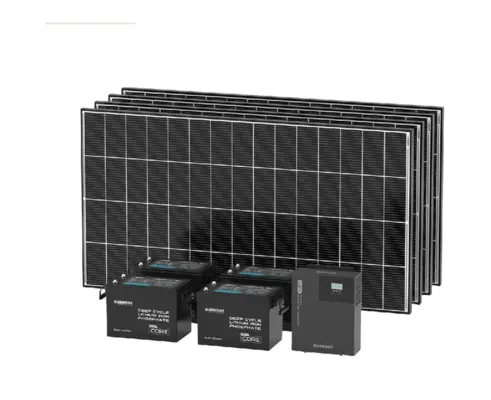
Every build's parts list eventually hits the panel aisle's fork: the familiar glass-and-aluminum rigid panel, or the thin, bendable, peel-and-stick-adjacent flexible one? The flexible panel's pitch — a fraction of the weight, curves welcome, no racking — is genuinely seductive for project builds, and its reputation — shorter lives, heat-related fade, delamination stories — is genuinely earned. Here's the honest comparison, and the narrow-but-real territory where flexible wins.
The two constructions
A rigid panel is the industry's proven sandwich: tempered glass over encapsulated cells on a backsheet, in an aluminum frame — heavy, stiff, and engineered for decades of weather, with mounting hardware standardized across the known universe and the airflow gap behind it keeping cell temperatures (and therefore output) honest. A flexible panel laminates cells between polymer sheets: a fraction of the weight, a few degrees of curve tolerance, mountable with adhesive, grommets, or velcro on surfaces racking can't touch. The construction is also the compromise: polymer faces scratch and cloud where glass shrugs, flexing works cells and connections over time, and — the big one — surface mounting without an air gap runs cells hot, which costs output daily and lifespan cumulatively. The market's honest verdict shows in warranties: rigid panels carry decade-scale performance guarantees; flexible panels' coverage runs meaningfully shorter, and pricing per watt typically runs higher for the lighter product — you pay extra for the weight savings, not less.
Head to head
| Rigid | Flexible | |
|---|---|---|
| Weight | The heavy one | A fraction — the whole pitch |
| Lifespan expectation | Decades, proven | Years, honestly |
| Cost per watt | The value baseline | Premium for the lightness |
| Mounting | Standard racking, air gap | Adhesive/grommet on curves |
| Heat behavior | Air gap keeps output honest | Surface-mount runs hot |
| Durability | Glass + frame | Scratches, flex fatigue, delamination risk |
| Natural home | Every fixed build in this series | Curved, mobile, weight-critical surfaces |
Rigid: the default this series already assumes
Every fixed build in this catalog — the shed systems, the gate, the camera pole, the e-bike array, the garden station — specifies rigid, and the reasons compound: best watts per dollar, standardized Z-brackets and pole mounts, the cooling air gap, glass that shrugs off hail and pressure-washing, and lifespans that outlast the projects around them (the pillar's cascade rule depends on panels that survive their third redeployment). Structures that can hold a panel's weight — which is every structure in this series — get no benefit from flexible's only advantage and inherit all its costs. The related-but-distinct cousin worth naming: portable folding panels (the panel guide's category) are their own optimized product — often semi-rigid panels in fabric — and solve the mobility problem better than bare flexible panels taped to things.
Flexible: the narrow territory it honestly owns
Flexible earns its premium where weight or curvature is disqualifying, not merely inconvenient: the curved fiberglass roofs of RVs, campers, and boat cabins (its ancestral homeland — marine and vanlife installs built the category); pop-up and teardrop trailers with laughable load limits; kayak and canoe decks feeding trolling accessories; the chuck box lid or truck cap where a rigid panel's mass changes the carpentry; and temporary or rental situations where adhesive-and-grommet mounting beats drilling. Buying it well means respecting the construction: choose the reputable marine-grade tier over the bargain listings (delamination stories cluster at the bottom shelf), create airflow where any is possible (standoffs or corrugated channels under the panel repay themselves in output), avoid repeated flexing — mount it curved once, not rolled weekly — and budget mentally for replacement on a shorter clock than rigid's. Treated as a specialized tool with a service life, flexible delivers; treated as a lighter rigid panel, it disappoints on schedule.
A last durability note that surprises people in both directions: rigid's glass face is tougher than it looks (hail-rated, walkable-adjacent, decades outdoors), while flexible's polymer face is more delicate than it looks — dragged branches, pressure washers, and boot traffic all mark it, and cleaning wants a soft cloth where rigid tolerates a squeegee. The care asymmetry compounds the lifespan gap on working surfaces like boat decks and truck caps, which is exactly why the marine tier's thicker face coatings exist and why the bargain tier's stories cluster where the abuse does.
Bottom line
Rigid for everything that stands still — which is this whole series — and flexible for the curved, the mobile, and the genuinely weight-bound, bought at the reputable tier and mounted with airflow wherever physics allows. The fork isn't close for fixed builds; it's honest specialization for mobile ones, and knowing which build you're doing settles the panel aisle in a single confident pass.
Frequently Asked Questions
Why are flexible panels more expensive per watt if they don't last as long?
You're paying for the engineering of lightness and bendability, not longevity — the polymer lamination costs more to make than the commodity glass sandwich. It's a specialized tool priced like one.
Can I use flexible panels on a shed roof to save mounting work?
You can, and it's the classic mistake: the shed can hold rigid's weight, so you'd inherit flexible's heat penalty, shorter life, and higher cost for zero benefit. Fixed structures take rigid; that's the fork's easiest call.
How long do flexible panels actually last?
Meaningfully shorter than rigid's decades — the reputable marine tier delivers respectable years of service, the bargain tier delivers delamination anecdotes. Warranty length is the market's honest tell; read it before the marketing.
Do flexible panels really lose power from heat?
Surface-mounted without an air gap, yes — hot cells produce measurably less, daily, and age faster, cumulatively. Any airflow you can engineer underneath (standoffs, channels) claws back output and lifespan.
What about folding portable panels — rigid or flexible?
Their own category: purpose-built folding units (often semi-rigid in fabric) optimized for deploy-and-stow duty with kickstands and cases. For mobile charging they beat bare flexible panels at their own game — see our portable panel guide.