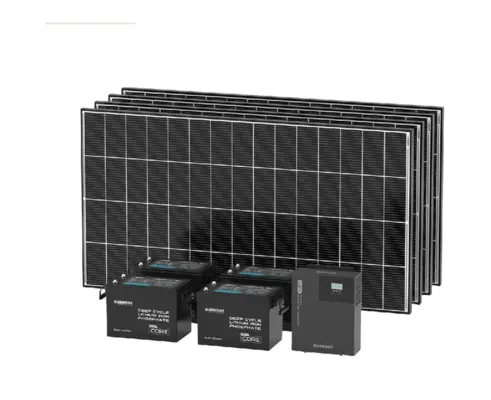
A power station without a panel is a battery with a countdown timer. The folding solar panel is what turns it into a system — refilling the tank every daylight hour, stretching a weekend of camping indefinitely, and turning a blackout from "ration the battery" into "the sun's got it." The portable panel market in 2026 is crowded and mostly good, which makes the real questions fit and matching: the right wattage class, the right connector, and honest expectations about real-world harvest. Here's the field.
How to size a portable panel
Match the panel to the station, not the other way around. Every power station publishes a maximum solar input; a panel array above that ceiling wastes money, below it wastes time. The practical classes: 100W folding panels suit small stations and trickle duty — phone-and-lights tiers, dashboard charging, topping a big station slowly. 200W is the workhorse class for 1kWh-class stations, refilling a meaningful fraction per sunny day. 350–400W panels (or paired 200s) feed the big multi-kilowatt-hour units at a rate that makes daily off-grid living arithmetic work. Then discount everything for reality: panel ratings assume perfect lab sun, and real rooftop-of-the-car deployment typically harvests well under the sticker in any given hour — sun angle, haze, heat, and partial shade all tax output. The rule of thumb that serves: buy one class up from what the math says you need.
What separates good folding panels
Cell quality matters less than it used to — monocrystalline cells from reputable makers dominate the category — so the differentiators are mechanical: hinge and fabric durability across hundreds of fold cycles, kickstand design that actually holds an angle in wind, connector standards (MC4 and the common DC barrel/XT60 families cover most stations; adapter needs are the classic day-one surprise), cable length (short cables force the panel into the shade the station is sitting in), and an IP rating honest enough to survive the drizzle that catches every camper eventually. Weight matters if it's going in a pack; it doesn't if it lives in a truck. Tiers below are $/$$/$$$ — and as always, no invented specs or reviews.
Quick comparison
| Panel | Tier | Class | Best for |
|---|---|---|---|
| Jackery SolarSaga 200 | $$$ | 200W | Jackery ecosystems, fast setup |
| Bluetti PV200 / PV350 | $$–$$$ | 200–350W | Bluetti stations, big-unit charging |
| EcoFlow 220W Bifacial | $$$ | 220W+rear harvest | Reflective ground, EcoFlow units |
| Anker SOLIX PS400 | $$$ | 400W | Multi-kWh stations, base camps |
| Renogy 200W foldable | $$ | 200W | Value workhorse, MC4 standard |
| BigBlue / value 100W tier | $ | 100W | Small stations, first panels |
The picks
Jackery SolarSaga 200
$$$The premium ecosystem panel: fast magnetic-latch setup, sturdy kickstands, and plug-and-play matching with Jackery's Explorer line that makes the whole system feel like one product. Works fine on other stations with the right adapter, but its price premium makes most sense inside the ecosystem it was built for.
Bluetti PV200 / PV350
$$–$$$Bluetti's folding panels pair naturally with their station lineup and stand out for solid build quality at a fairer ecosystem premium than most. The PV200 is the all-round pick; the PV350 feeds the big expandable units at a rate that makes multi-kilowatt-hour systems practical off-grid. Standard connectors keep them flexible across brands.
EcoFlow 220W Bifacial
$$$The clever one: a rear face that harvests reflected light, adding real bonus watts over bright surfaces — sand, snow, light-colored patios. Tough tempered design, and it folds into a carry case that doubles as the kickstand. Best value inside EcoFlow's ecosystem, functional anywhere.
Anker SOLIX PS400
$$$The base-camp heavyweight: 400W in one deployable unit for the multi-kilowatt-hour station class, from a brand whose build quality has translated cleanly from charging gear to solar. When one big panel beats juggling two smaller ones — fixed campsites, home backup duty — this is that panel.
Renogy 200W foldable suitcase
$$The value workhorse from the DIY solar reference brand: honest output, rugged suitcase-style build, and standard MC4 connectors that plug into anything with the right adapter. Less glamorous than the ecosystem panels and typically meaningfully cheaper — the pick when the spreadsheet is in charge.
BigBlue / value 100W tier
$The budget class has matured: reputable value brands deliver legitimate 100W folding panels for small-station duty, trickle charging, and first-timer experiments. Expect simpler kickstands, shorter warranties, and honest-but-modest output as the tradeoffs. The right first panel for a Tier 1–2 setup finding its feet.
Deployment: harvest is a skill
Two identical panels in the same yard can differ dramatically in daily harvest, and the difference is technique. Angle beats azimuth fussing: tilt the panel to face the sun squarely and re-aim it two or three times a day — the difference against flat-on-the-ground is substantial. Chase the shade line: a single shaded cell strip drags down the whole string, so full sun on part of the day beats partial sun all day. Keep panels cool where possible — output drops as cells heat, which is why a breezy elevated deployment outproduces the same panel flat on hot pavement. And extend cables so the station itself sits in shade: batteries charge more happily cool, and the panel is the only part that needs the sun. Ten minutes of repositioning across a day is worth more than a hundred extra rated watts.
Pairing and expansion
Most mid-size and larger stations accept panel pairs in series or parallel — check the input voltage and amperage windows, because series stacks voltage while parallel stacks current, and the wrong arrangement either undercharges or trips protection. Mixing brands works when connectors and electrical windows align; the ecosystem convenience is real but not mandatory. If home backup is the mission, consider the hybrid pattern from our backup power guide: folding panels for deployable flexibility plus a small fixed array on a shed roof feeding the same station daily, so the battery starts every outage full.
Care and lifespan
Folding panels live harder lives than fixed ones — packed, dropped, dew-soaked, and cooked on driveways — and small habits decide whether they last three seasons or ten. Dry the fabric and connectors before folding; storing damp is the slow killer of hinge stitching and port corrosion. Keep the cells clean with plain water and a soft cloth, since dust films tax output more than most people guess. Don't leave a panel deployed in gusting wind on its kickstands — they're sun-anglers, not sails — and don't walk on the cells, even the "flexible" ones, because microcracks harvest nothing. Store flat or hung, out of a hot car when possible, with cables coiled loosely rather than bent at the connector root. Treated this way, quality monocrystalline folding panels degrade slowly and gracefully, and the connector — not the cells — is usually the first thing to ever need attention. Keep the adapter set in a labeled pouch with the panel, and future-you deploying at dusk before a storm will be grateful. A panel is the cheapest component in the system to maintain and the most annoying to replace mid-outage — five minutes of care per trip keeps the arithmetic on your side.
Bottom line
Buy the wattage class your station's input can actually use, prefer standard connectors unless you're committed to an ecosystem, and spend the savings from the value tier on a second panel before a fancier first one — more square footage of honest monocrystalline glass in real sun beats every premium feature on any spec sheet. Then learn the deployment craft, because the panel you re-aim is the panel that delivers.
Frequently Asked Questions
Will any solar panel work with any power station?
Mostly, with the right adapter — the electrical limits matter more than the brand. Match the panel's output to the station's published solar input voltage and current windows, and connector adapters handle the rest.
Why is my 200W panel only producing half its rating?
Normal. Ratings reflect ideal lab conditions; real-world angle, heat, haze, and season routinely cut harvest substantially. Re-aiming the panel through the day and keeping it cool recovers a meaningful share.
Are bifacial portable panels worth it?
Over reflective surfaces — snow, sand, pale concrete — the rear-face bonus is real; over grass it's modest. They're worth the premium for the deployments that feed the rear face, and a normal panel otherwise.
Can I leave a folding panel out in the rain?
Check the IP rating — most quality folding panels tolerate drizzle, but connectors and the fabric hinge are the weak points, and few are rated for sustained soaking. Fixed rigid panels are the right tool for permanent outdoor exposure.
Series or parallel for two panels?
Series raises voltage, parallel raises current — the right choice is whichever keeps the combination inside your station's input window. Consult the station's manual first; it usually names the recommended arrangement for common panel pairs.