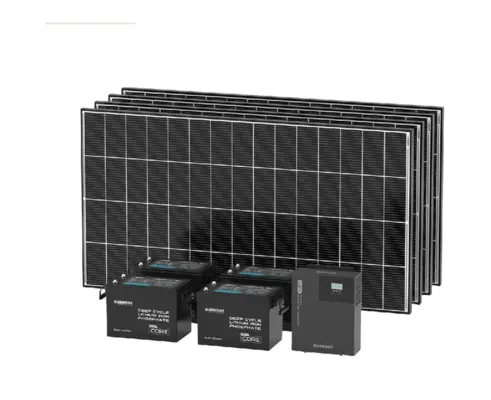
The chuck box — the camp kitchen in a crate — is a century-old scouting idea overdue for its electrical upgrade. This build adds a solar-fed 12V system to the classic: a fridge that ends the ice run forever, lights that make dinner after dark civilized, USB for the crew's devices, and a water pump for the wash station — all in a box that loads in one trip and deploys in five minutes. It's the project that upgrades every future camping weekend at once. Here's the build.
Design philosophy: the box is a system
A powered chuck box succeeds on integration: everything wired, mounted, and stowed so deployment is opening lids rather than assembling a kitchen. The architecture is this series' standard chain in luggage form — panel (folding, stowed in its own sleeve), controller and battery mounted inside the box's protected corner, and fused branches to the loads: the 12V fridge (the star and the budget), LED lighting strips under the lid and over the prep surface, USB and 12V outlets on the face, and the wash pump's quick-connect. Weight discipline matters more here than any build so far — the box gets lifted — which drives the LiFePO4 choice, the plywood-not-lumber construction, and the honest fridge-size conversation below. Two-crate versions split kitchen from power for lighter carries; the one-box version wins on deployment speed. Either way, the finished box is a power station that happens to cook.
Component list
12V compressor fridge/freezer (the star)
$$–$$$The component that changes camping: true compressor 12V fridges — the class the overlanding world standardized on — hold real refrigeration on a modest daily watt-hour budget, unlike the thermoelectric coolers that merely take the edge off. Size honestly against the box and the crew; the compact classes suit weekend crews, and the fridge's daily draw is the number the whole battery math serves.
100Ah-class LiFePO4 (or power station alternative)
$$The box's tank: a 100Ah drop-in from the battery guide runs the fridge for days between sun, plus lights and charging as rounding errors. The alternative architecture — a compact power station from the budget guide docked in the box — trades capacity-per-dollar for an inverter, an app, and double duty at home; the component route wins the dedicated box, the station route wins the multi-mission household.
Folding 100–200W panel
$$The refill: a folding panel from the portable panel guide, sized to recover the fridge's daily draw in real campsite sun — 100W covers efficient setups, 200W buys shade-tax margin and shorter charge windows. Stows in a sleeve on the box's back panel; deploys on the sunny side of camp with cable enough to keep the box in shade.
Controller, wiring loom & face panel
$The integration layer: a small MPPT controller, a pre-planned fused loom to every load, and a face panel with USB-C/USB-A sockets, a 12V outlet, a voltmeter, and switches — the cockpit that makes the box feel manufactured. Marine-grade wire and proper crimps throughout; this box vibrates down washboard roads.
LED lighting + wash pump station
$The civilization layer: warm LED strips under the lid and an articulated task light for the stove, plus the irrigation build's small diaphragm pump feeding a faucet over a collapsible basin — running water at a campsite remains the trick that impresses everyone. Both are trivial loads the fridge's battery never notices.
The box itself: build or adapt
$–$$The carpentry: the classic plywood chuck box plans (hinged face becomes the prep surface, compartments sized to your actual kit), or the adaptation route — a robust cargo case or surplus crate fitted with the electrical system. Build for the vehicle it rides in and the two people who lift it; handles, corner protection, and a rain-shedding lid finish the job.
The build, in order
Cardboard-mockup the layout first — fridge access, stove clearance, battery corner, cable runs — because chuck box regret is always geometry. Build or adapt the box; mount battery and controller in the protected corner with ventilation; run the fused loom to the face panel and every load per the wiring guide's rules (battery to controller first, panel last, fuse everything — vibration makes the crimper's quality matter double). Install the fridge with airflow around its compressor side, the lights where hands work, the pump's quick-connects where the basin lives. Then the shakedown: a full backyard weekend on the box alone — the camping version of the backup guide's blackout drill — which finds the missing bottle opener and the fridge's real draw before the trailhead does.
Packing intelligence: the kitchen half
The electrical system earns the headlines; the compartment design earns the weekends. The rules veterans converge on: everything visible in one lid-lift (stacked mystery bins die at camp), the stove and fridge reachable without unpacking anything else, knife and tool storage that survives washboard roads without becoming shrapnel, dry goods in gasketed containers sized to the shelf they live on, and a deployed workflow — cooler-to-prep-to-stove-to-wash — that flows left to right like the kitchen it's imitating. Weigh the loaded box before declaring victory and edit ruthlessly; the classic error is building storage for the kitchen you imagine rather than the one you cook. The box's manifest card (taped inside the lid, per the pillar's documentation habit) ends the departure-day scramble permanently.
The energy budget of a good weekend
The fridge sets the math and everything else rounds: a compressor fridge's daily draw (measure yours on the shakedown — duty cycle swings with ambient heat and how often the lid opens) against the 100Ah battery yields days of autonomy before the panel even deploys, and the panel's honest campsite harvest — shade-taxed, re-aimed per the panel guide's craft — closes the loop into indefinite. Lights, phones, and the pump sum to a rounding error beside the compressor. The practical disciplines: pre-chill the fridge on shore power the night before departure (a warm fridge's pull-down is the trip's biggest single draw), park the box in shade and the panel in sun, and let the face panel's voltmeter be the trip's fuel gauge. Crews that run this budget stop planning around ice and start planning around nothing at all.
Beyond the campsite
The finished box moonlights relentlessly: tailgates, beach days, the backyard party's drink station, fieldwork lunches, and — docked at home between trips — a ready-made module of the household's outage plan, its fridge and lights exactly the essentials tier our backup guide describes. The component cascade runs here too: the box's battery and panel are the workshop build's starter kit if camping seasons change, and the fridge alone justifies itself as the garage's overflow cold storage. Few projects in this series return value across as many weekends per year — which is why the chuck box, a hundred years old and newly electric, remains the best argument that camp comfort is an engineering problem — and a solved one, in a crate, on sunshine, ready by the door before the coffee finishes brewing.
Bottom line
Compressor fridge as the star, 100Ah LiFePO4 as the tank, a folding panel as the refill, and a face panel that makes it all feel factory — packed into carpentry sized for the vehicle and the two people who lift it. Shake it down in the backyard, and every camping weekend after loads in one trip and runs on sunshine.
Frequently Asked Questions
How long will the fridge run on the battery alone?
A 100Ah LiFePO4 carries an efficient compressor fridge for days before the panel contributes — with real duty cycle depending on ambient heat, lid habits, and pre-chilling. The backyard shakedown weekend produces your setup's true number.
Is a 12V compressor fridge really worth it over a cooler?
For crews camping more than a weekend or two a season, decisively — real refrigeration, no ice runs, no drowned food, and a modest energy budget. Thermoelectric coolers are the middle option that mostly proves the compressor's point.
Should I build around a battery or a power station?
The component battery wins the dedicated box on capacity per dollar and integration; a compact power station wins households that want the power to serve other missions between trips. Both architectures are legitimate — it's the DIY-vs-buying trade at picnic scale.
How heavy does a powered chuck box get?
Heavy enough that weight is a design input: LiFePO4 over lead-acid, plywood over lumber, and honest fridge sizing keep the one-box version a two-person lift. The two-crate split — kitchen and power separately — is the lighter-carry alternative.
Can the box charge phones and run lights all weekend?
Trivially — beside the fridge's draw, USB charging, LED lighting, and the wash pump are rounding errors. The face panel's sockets exist precisely so the crew's devices stop competing for the truck's ports.