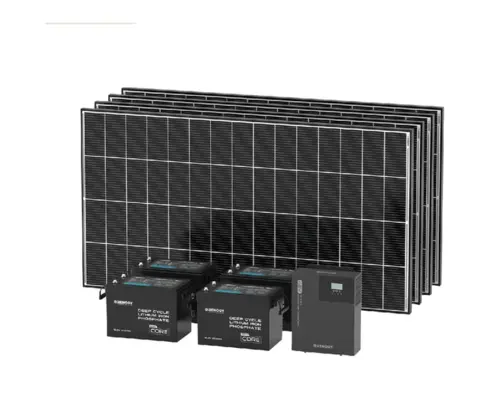
Before the first hard freeze, check seven things on a standing solar system: battery type and charge level, where the battery sits, the controller's cold settings, panel voltage, the panels, mounts and wiring, your winter load plan, and a safe route to the equipment. The big risk is charging a lithium battery below freezing, so decide how it will stay warm or when charging will stop. Use your equipment manuals as the final word, and call a licensed electrician for permanent electrical work.
1. Know what your battery does in the cold
Cold affects discharging and charging differently. Battery University's low-temperature page says a battery that gives full capacity at room temperature may deliver about half at 0 degrees F, and that capacity returns when it warms. Charging is the bigger concern for lithium batteries: the same site says charging lithium-ion below freezing is not permitted, because it can plate metallic lithium on the anode and cause permanent damage that may not show up at first. A lithium iron phosphate (LiFePO4) battery with a battery management system (BMS) will usually pause charging when it is too cold, according to a battery maker's explainer, but your manual sets the actual limits. Read it. Lead-acid is different, and our lead-acid versus LiFePO4 comparison covers the trade-offs.
2. Check state of charge and where the battery sits
A discharged lead-acid battery freezes more easily than a charged one. One battery reference puts a fully discharged unit near 5 degrees F, while a fully charged one stays liquid far below zero, and freezing can crack the case. Keep lead-acid batteries well charged going into winter. For lithium, the unit that sits in an uninsulated shed is the one that will refuse a charge on a cold morning. Options are covered in power station cold weather limits and the long-term storage guide. Insulating the box, adding a maker-approved heating option or moving the battery into a conditioned space all help. Follow the maker's guidance on ventilation and placement.
3. Review controller and charger settings
Lead-acid charge voltage targets rise as the battery gets colder, which is why many controllers offer temperature compensation. Battery University's cold-charging page lists higher voltage limits at lower temperatures. Check whether your controller has a temperature sensor, whether it is connected, and what the manual says about the settings for your chemistry. If you added a battery or changed its type, confirm that the charge profile still matches. The small-build controller guide explains the basics.
4. Think about panel voltage on cold mornings
A solar cell makes more voltage when it is cold, so a clear winter morning can push an array above its sticker Voc. Controller makers advise calculating array voltage at the lowest temperature the system will see and comparing it with the controller's limit in the manual. If you added a panel this year, recheck the sum. The panel spec decoder shows where the numbers live.
5. Inspect panels, mounts, wiring and snow behavior
Walk the array in daylight with the system off if the manual says to. Look for loose clamps, cracked glass, damaged cable insulation and rust at fasteners. Think about where snow will go. Solar.com notes that panels run warmer than the air, so snow tends to slide off, and that on steep or metal roofs it can drop in sheets, so guards or a clear zone below are worth considering. If your mounts are adjustable, the manual may allow a different winter tilt, and the mount comparison covers the options. Do not climb onto a snowy roof to fix any of this in winter.
Then look at the wiring and connections. Cold and moisture reveal weak spots. Check for chewed or cracked insulation, corroded terminals, loose connectors and water entry into junction boxes. Re-torque terminals only to the manual's value, using the right tool, as the torque screwdriver guide explains. The weatherproofing guide lists the seasonal checks, and the long shed run guide covers voltage drop. For disconnects, fuses or wiring changes, use the manual and a licensed electrician.
6. Plan your winter loads
Short days and low sun mean less harvest, and cold means less usable battery. Make a priority list of what must run (lights, a pump, a router, a freezer) and what can wait. Then test it. The dry-run checklist shows how to simulate a bad day, and the wattage list helps with the load math.
7. Keep the access safe
Leave a note in the shed for whoever checks it next: where the main disconnect is, which breaker or switch to open first, and the phone number of the installer or electrician. A system that is easy to shut down is easier to inspect safely, and a short written shutdown order helps a neighbor or a relative step in if you are away when a storm hits. Falls are also a recognized hazard with their own guidance. OSHA's fall protection page is written for employers, but it points to a ladder publication titled Falling Off Ladders Can Kill: Use Them Safely. Keep paths to the shed clear, plan snow clearing so it does not bury the equipment, and shut the system down as the manual directs before touching wiring.
Checklist at a glance
| Area | Check | Source of the answer |
|---|---|---|
| Battery | Chemistry, state of charge, where it sits, cold charging limit | Battery manual |
| Controller | Temperature sensor, charge profile, input limit | Controller manual |
| Panels | Cold-corrected Voc, cracks, loose clamps, snow path | Panel datasheet and manual |
| Wiring | Insulation, corrosion, torque, water entry | Manuals and a licensed electrician |
| Loads | Priority list for short winter days | Your own dry run |
| Access | Clear path, safe snow plan, shutdown steps | Equipment manual |
Bottom line: Decide where the battery stays warm or when charging stops, check controller settings and cold-weather panel voltage, inspect the array and wiring, and write a short winter load plan. Follow the manuals, and use a licensed electrician for permanent changes. To finish your voltage check, see our panel checklist.
Frequently Asked Questions
Can I charge a lithium battery below freezing?
Battery University says charging lithium-ion below freezing is not permitted because of lithium plating. LiFePO4 batteries with a BMS usually pause charging when cold, but your manual sets the limits.
Will a lead-acid battery freeze in a cold shed?
It can if it is discharged. One battery reference puts a fully discharged unit near 5 degrees F, while a full one stays liquid far below zero. Keep it charged and check your manual.
Does cold weather change my panel voltage?
Yes. A solar cell makes more voltage as it gets colder, so check the array voltage at your lowest expected temperature against the controller limit in the manual.
Should I clear snow off my panels?
Often it is better to wait. Solar.com notes that panels run warmer than the air and snow often slides off, and recommends only a soft cloth brush if you must clear it. Never climb onto a snowy roof.
When should I call an electrician?
Call a licensed electrician for permanent wiring changes, disconnects, fusing and anything the manual or local code says needs a qualified installer.
Sources and verification
The cold-weather points below come from the sources listed. Your battery, controller and panel manuals set the actual temperature limits and settings for your system.
- Battery University, BU-502: capacity loss in the cold and electrolyte freezing risk for lead-acid.
- Battery University, BU-410: no lithium-ion charging below freezing, lithium plating, charge voltage limits by temperature for lead-acid, and freezing points by state of charge.
- Battle Born Batteries, heated lithium batteries: a maker explainer on BMS charging protection in the cold. Its stated thresholds are not consistent with each other, so we cite only the general behavior.
- Morningstar FAQ: compare array voltage at the lowest expected temperature with the controller Voc limit in the manual.
- Solar.com, Removing Snow from Solar Panels: panels run warmer than the air, snow slide risk on steep and metal roofs.
- OSHA, Fall Protection: general fall hazard guidance and the ladder safety publication.
We give no temperature or voltage limits for your specific equipment because they vary by maker. Confirm them in your manuals.