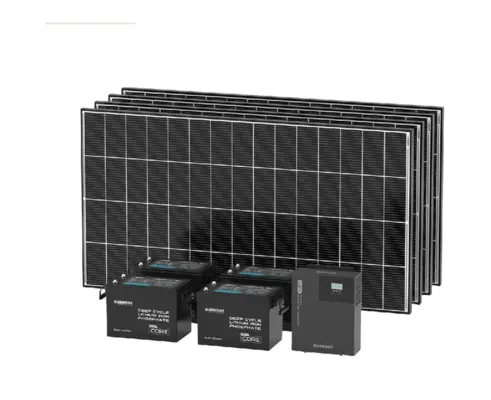
The wildlife station is the fountain build's grown-up sibling: one solar backbone running a heated-or-moving water feature, a camera aimed at the action, gentle lighting for the dusk shift, and — where the mission calls — a feeder with its own guard electronics. It turns the yard's busiest corner into a self-documenting nature channel, and it's the series' best build for households with kids, birders, or a camera roll that needs more owls. Here's the full station.
Designing a corner animals actually use
Wildlife infrastructure succeeds on siting before electronics. The station wants edge habitat — the border between cover and open where birds and small mammals feel watched-over rather than exposed — with escape cover a short flight away, sightlines the camera can own, and enough distance from the house's traffic that the shy shift shows up. Water is the anchor (moving water recruits more species than any feeder, per the fountain build's lesson), food is the amplifier where you choose to run it, and the perch is the stage: a well-placed dead branch or mounted snag above the water becomes the most photographed object on the property within a month. The solar backbone serves all of it from one hub — the standard panel-controller-battery chain in a weatherproofed enclosure — which is what separates the station from a scatter of gadgets: one battery, fused branches, and every element on the same quiet system.
Component list
Water feature: pump, dripper & de-icer branch
$The anchor: the fountain build's pump driving a shallow bath's ripple or a dripper (the drip's sound is bird radio at close range), plus the winter question answered honestly — small 12V bath agitators and the aerator's ice-hole trick keep water open in moderate climates, while true resistance de-icers are the load class this series flags; hard-freeze country schedules water by refill rather than wattage.
Camera: the station's memory
$$The documentarian: a solar security camera from the shed build's class aimed at the perch-and-bath stage, or the purpose-built bird-feeder-camera tier that identifies species and clips visits — the fastest-improving product class in the station. WiFi reach via the mesh trick; alert tuning per the property camera build, with animal detection doing the tuning for you.
Feeder & baffle system
$The amplifier: quality feeders on a baffled pole system — the baffle is not optional; squirrels are the station's most motivated engineers — sited per the mission's species and the region's guidance (feeding best-practice varies by wildlife pressure and local rules; the five-minute extension-office check applies). The camera earns its keep here twice: species log by day, raccoon audit by night.
Lighting: the dusk branch
$The gentle layer: one or two warm, low, shielded 12V fixtures from the landscape build's catalog, grazing the stage for the dusk shift and the window view — never floodlighting, which empties the corner. A red-tinted option serves the night-shift viewing some stations add; restraint is the design rule squared, because the clientele votes with wings.
Solar backbone: panel, controller, LiFePO4
$$The standard chain: 50W-class panel in real sun, small controller with load terminals, 20Ah-class LiFePO4 in the hub enclosure — the series' mini system running pump, camera support, and lights with winter margin. Fused per the wiring guide, weatherproofed per its guide, and documented per the pillar's card habit.
Habitat hardware: perch, cover & maintenance kit
$The stagecraft: a mounted perch snag over the water, native plantings or a brush pile as the escape cover, and the hygiene kit the mission obligates — bath brush and feeder-cleaning supplies on a real schedule, because concentrated wildlife means concentrated responsibility and clean stations are the ones that stay healthy to visit.
The build, in order
Site per the habitat logic — edge, cover, sightlines — and set the stage first: bath placed, perch mounted, feeder pole baffled, plantings planned. Then the hub: enclosure, battery-first liturgy, fused branches per the wiring guide, panel in the sun the stage doesn't need. Branches next: pump plumbed with the fountain build's filter-and-plinth care, lights placed low and warm and aimed at night, camera mounted with the stage framed and the sun behind it (the property camera build's glare rule, at bird distance). Commission with patience as the final component: stations take days-to-weeks to be discovered and trusted, the dripper accelerates it, and the camera's first week of clips is the baseline the season improves on. The kids' assignment writes itself: the species log, kept by clip review, is the family science project that runs itself.
The ethics chapter: a station worth visiting
Concentrating wildlife concentrates consequences, and the responsible station carries a short conduct code. Hygiene leads it — the bath scrubbed on schedule, feeders cleaned properly, and feeding paused entirely when regional advisories call for it during disease events, which the same extension-office bookmark that sited the feeder announces. Placement ethics follow: the camera watches, never intrudes (nest boxes get distance and restraint, per the birding world's well-published norms), the station sits far enough from windows that strike risk drops rather than rises — or the glass gets the decal treatment — and the lighting stays low and warm precisely because the clientele's night vision outranks the camera roll. Predator honesty completes it: a station that recruits songbirds also advertises to the neighborhood's hawks and cats — the hawk is nature operating correctly and the brush pile is the songbirds' fair chance; the outdoor cat is not, and the feeder's siting away from ambush cover plus the household's own cat policy are the station's real defenses. None of this diminishes the build; it's what makes the dataset defensible and the corner genuinely good for its visitors — the difference between a wildlife station and a baited stage.
Seasons at the station
The station's calendar is the yard's best show. Spring runs the dawn chorus and nesting traffic — the camera's clip volume peaks, and the feeder conversation follows regional spring guidance. Summer belongs to the bath: moving water in heat recruits everything with feathers, and the pump's solar duty cycle matches demand by physics. Fall is migration's parade — the season the species log earns its keep, as passers-through the yard never otherwise hosts stop for water. Winter is the loyalty season: open water where climate permits, high-value feeding where the mission runs it, and the camera catching the hardy regulars against snow — the clips that convert every remaining skeptic in the household. Year over year, the log builds the property's second dataset alongside the weather station's — arrival dates, species counts, the owl's schedule — and the corner that was just yard becomes the property's most-watched square meter, on the same sunshine as everything else in this series.
The camera's archive deserves one habit worth naming: clip curation on a monthly rhythm — the species log updated, the best footage saved out of the app's rolling storage before it ages away, and the year-end reel that has quietly become the modern family's favorite holiday card. Data you don't curate is data the platform eventually deletes for you.
Bottom line
Edge habitat, moving water, a baffled feeder where the mission calls, one warm light, and a camera on the perch — all fused branches on the standard mini backbone. Site it right, keep it clean, give it two patient weeks, and the yard starts producing its own nature documentary with the sun as the entire production budget and the owls as unpaid talent.
Frequently Asked Questions
What attracts wildlife fastest — food or water?
Moving water, by a wide margin and across more species — the dripper's sound is the station's best recruiter, which is why the water branch anchors the build and feeders play amplifier. Two patient weeks and the corner is discovered.
How do I keep squirrels and raccoons from taking over?
The baffled pole system for squirrels (they are the station's most motivated engineers) and the camera's night audit for raccoons — plus bringing high-value feed in overnight where the audit says so. The baffle is a requirement, not an accessory.
Can the water stay open in winter?
Moderate climates: yes, via agitation and the aerator's ice-hole trick on the solar branch. Hard-freeze country: true de-icers are resistance loads beyond panel budgets — schedule fresh water by refill instead, which the regulars learn fast.
Will lighting scare the animals away?
Floodlighting will; the build's low, warm, shielded fixtures won't — restraint is the design rule, and the dusk shift adapts to a gently lit stage quickly. Red-tinted options serve dedicated night viewing.
What maintenance does a wildlife station need?
The hygiene schedule above all — bath scrubbed and refreshed, feeders cleaned on the calendar — because concentrated wildlife concentrates responsibility. Plus the standard solar walk: panel wipe, connection glance, seasonal battery care.