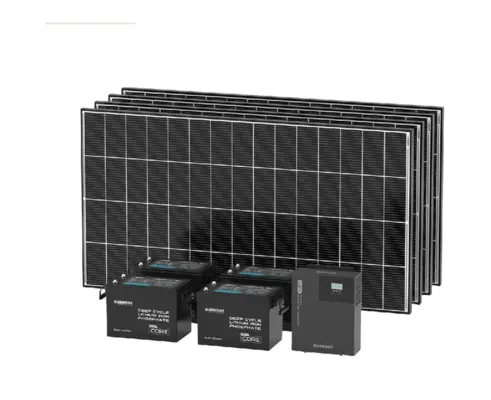
A treehouse with lights is a different category of childhood object than a treehouse without them — and a playhouse with a working light switch, a fan, and a place to charge the walkie-talkies graduates from structure to headquarters. This build wires the kingdom safely: the series' standard mini solar system, sized small, fused completely, and installed with kid-proofing as a first-class requirement. It's also, run properly, the best electrical classroom a family owns. Here's the build and the safety architecture.
Design principles: small, sealed, and teachable
Three rules shape everything. Low voltage only: the system is 12V DC end to end — no inverter, no AC, nothing the architecture guide wouldn't hand a beginner — because the load list (LEDs, USB, a fan) never needs more and the safety math never wants more. Sealed energy: the battery, controller, and fusing live in a locked or screwed-shut enclosure — adults service it; kids use switches and sockets, full stop — with every branch fused and the low-voltage disconnect guarding the battery from the sleepover that leaves everything on. Teachable seams: the system is built to be explained — the panel visible, the switch panel labeled, the tour delivered — because the build's second product is the electrical literacy it installs in its users, per the family-curriculum promise of the projects pillar. Sized honestly, the whole system is the fountain build's budget wearing a rope ladder.
Component list
Panel: 20–50W + reachable-proof mount
$The collector, sized small on purpose and mounted where the roofline gets sun and hands don't — the treehouse's high side or a nearby post, angled per the season and out of the play envelope. Rigid per the panel comparison; the structure holds it fine, and the mount takes the pergola build's bolt-not-hope standard at kid scale.
Battery: 12–20Ah LiFePO4 in a locked box
$The reservoir: the mini class from the battery guide, deliberately modest — days of lights and charging per charge, quick recovery, and less stored energy than a bigger bank would idle with, which is itself a safety spec here. Locked enclosure, terminal-fused, ventilated, and mounted where servicing is an adult reach.
Controller with load terminals + LVD
$The guardian brain: a small controller whose load terminals and low-voltage disconnect run the whole kid-facing side — lights and USB die politely before the battery suffers, and the system self-manages the left-everything-on weekend. The controller guide's feature sermon, at its most literal.
Lighting: warm strips + the switch panel
$The magic: warm 12V LED strips under the roofline and over the reading corner, a string of festoon or fairy 12V lights for the porch, and a labeled multi-switch panel at kid height — the build's command console and its proudest feature. Warm and dimmable beats bright; headquarters lighting is atmosphere first.
USB station + accessory branch
$The quality of life: a panel-mount USB socket pair for the walkie-talkies, speaker, and camp lantern fleet, plus the accessory branch the fuse block's spare slot holds for the inevitable — the fan for August, the doorbell, the string of porch lights the first upgrade summer adds. The face-panel habit, at its most charming scale.
Wiring & kid-proofing kit
$The install fleet: the wiring guide's standard crimp-and-fuse kit plus the kid-proofing layer — every run stapled, loomed, or channel-hidden beyond fiddling reach, connectors sealed, no exposed terminals anywhere in the play envelope, and grommets at every wood pass-through. The tug test gets a second meaning here; assume every wire will someday be swung on.
The build, in order
Adult phase first: enclosure mounted high, battery-first liturgy per the wiring guide, panel on its out-of-reach mount, runs hidden in loom and channel with every pass-through grommeted, branches fused, LVD thresholds set conservatively. Then the collaborative phase — the build's actual point: kids place the strip lights, choose the switch layout, label the panel (their handwriting is the documentation card), and flip the first switch at the ceremony the occasion deserves. Deliver the tour as policy: what the panel does, why the box stays closed, which problems are report-to-adults — the same safety-boundary clarity the pillar's curriculum teaches, sized for the audience. Commission with the sleepover test: a full night of realistic use, the LVD's morning state checked, and the fan branch's future confirmed by the August vote that follows.
The playhouse variant and the ground-level fleet
Everything above translates downward with two pleasant simplifications: the playhouse's panel mounts on its own roof without the tree-canopy shade negotiation (the site survey's five-minute version — watch the roofline for a sunny afternoon — settles placement), and the wire runs shorten into an even smaller kit. The variant's additions are its own: the working porch light on a kid-height switch is the playhouse's equivalent of the treehouse's festoon porch, the doorbell branch is the perennial first request, and the chalkboard-paint switch panel labeled in chalk survives the annual re-naming of the headquarters. The same architecture then radiates across the yard's small-structure fleet — the fort, the she-shed's junior cousin, the swing-set fort deck — each a documented mini-system off the same parts bin, and collectively the family's version of the property-wide pattern this series keeps building: many small fused systems beating one extension cord every time. The one translation warning: ground-level structures invite the garden hose and the squirt-gun summer, so the playhouse build takes the weatherproofing guide's water chapter at full strength — glands, drip loops, and sealed connectors — even though it's three feet from the back door. Water doesn't care about the commute.
Two rules from the adult building codes deserve honorary adoption even though low-voltage play structures sit outside them: the service-disconnect habit (the enclosure's master fuse pulled during any maintenance, narrated aloud as part of the teaching) and the annual inspection — the wiring guide's commissioning ritual repeated each spring, because play structures move, settle, and get climbed in ways sheds don't, and the loom that was out of reach in June is sometimes within reach by the following growth spurt. Ten minutes a year, and the classroom stays a classroom.
The classroom disguised as a clubhouse
Run deliberately, the build keeps teaching for years. The starter lessons are built in: shade the panel during the tour and watch the charge light respond; read the controller's battery state with the morning check; let the LVD's polite shutoff after the left-on weekend teach energy budgeting better than any lecture. The graduations follow the pillar's ladder: the fan branch installed together as the first expansion, the fountain build in the yard as the first solo-adjacent project, and the shed lighting build as the teen graduation — same architecture, bigger canvas, earned multimeter. And the quiet parental payoff repeats across every family that runs one: the headquarters with its own working power becomes the yard's gravity well, the screens-versus-outside argument tilts outdoors, and the kids who wired their own lights grow into the adults who read the rest of this series without fear. Few builds return that particular dividend.
Bottom line
Small panel, small locked battery, load terminals guarding everything kid-facing, warm lights on a labeled switch panel — fused completely, hidden thoroughly, and toured properly. The treehouse becomes headquarters, the playhouse gets a working light switch, and the family gets its best electrical classroom for the price of the series' smallest system — and the electrical literacy it installs outlasts the treehouse, the childhood, and probably the tree.
Frequently Asked Questions
Is a solar system safe in a kids' treehouse?
Built to this architecture, yes: 12V DC only, modest battery in a locked enclosure, every branch fused, low-voltage disconnect on all kid-facing circuits, and wiring hidden beyond fiddling reach. The safety design is the build; the tour makes it policy.
How big a system does a treehouse need?
The series' smallest: 20–50W of panel and a 12–20Ah LiFePO4 run lights, USB charging, and a fan for days per charge. Deliberately modest sizing is itself a safety and simplicity feature here.
What can the kids actually power?
Warm LED lighting on their own switch panel, USB charging for the walkie-talkie and lantern fleet, a summer fan, porch string lights — the headquarters load list. The fuse block's spare slot holds the inevitable expansion vote.
What happens when they leave everything on all weekend?
The controller's low-voltage disconnect shuts the loads off politely before the battery suffers, and the panel recovers the charge — which doubles as the best energy-budget lesson in the build. Adult intervention required: none.
Can kids help build it?
That's the point: adults do the enclosure, battery, and hidden wiring; kids place lights, design and label the switch panel, and flip the ceremonial first switch. The tour and the morning battery check turn the clubhouse into a running classroom.