The electric fence is agriculture's most elegant psychology experiment — a harmless-but-memorable pulse that teaches every animal on the property, wild and domestic, exactly where the line is — and it's a natural solar load: remote by definition, trickle-powered by design, and needed most exactly where outlets aren't. This build covers the solar fence energizer system end to end: garden defense, poultry protection, rotational grazing, and the honest craft of grounding and fence-line hygiene that decides whether the pulse means anything. Here's the full system.
How electric fencing actually works
The energizer stores energy and releases it in brief, sharp pulses down the fence wire; an animal touching the wire completes the circuit through its body to the soil and back through the ground rod system to the energizer — and that return path is the half of the system beginners skip. A fence with poor grounding delivers a forgettable tickle regardless of the energizer's rating; a fence grounded properly delivers the respected snap that trains in one or two encounters. Energizers rate in stored joules (the honest capacity number) and marketing miles (the optimistic one); sizing follows fence length, wire count, vegetation load — every weed touching the wire leaks pulse energy — and the species being convinced, from trivially-persuaded horses to famously skeptical goats and the predator tier. Solar's role is the energizer's native mode: a small panel maintaining a battery that fires the pulse day and night, the exact gate-opener architecture with a different payload.
Component list
Solar fence energizer (integrated class)
$$The mainstream path: integrated solar energizers — panel, battery, and pulser in one weatherproof unit from the established fence names (Parmak, Gallagher, Zareba anchor the class) — sized by stored joules against your fence plan. Buy a size up from the marketing miles; vegetation and skepticism both tax the rating.
DIY energizer system: 12V unit + panel + LiFePO4
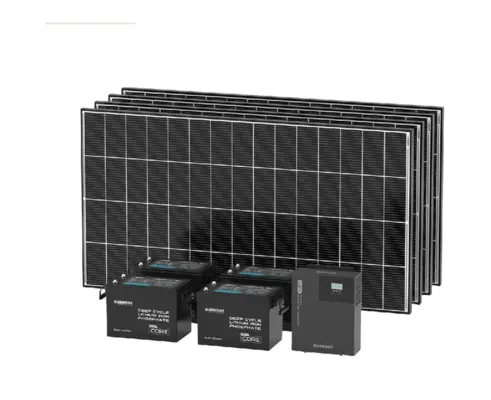
$$The component route: a 12V-powered energizer fed by the series' standard small system — 20–50W panel, controller, mini LiFePO4 — buys bigger joule ratings per dollar, battery capacity that shrugs off cloudy weeks, and the parts-bin repairability the integrated units can't match. The gate build's architecture, firing fences.
Ground rod kit (the half that matters)
$The system's secret: multiple galvanized ground rods driven deep, spaced apart, and bonded with proper clamps and wire — the return path that turns ratings into respect. Dry and sandy soils want more rods; the classic guidance is more grounding than feels necessary, because it is.
Fence wire, poly rope & netting
$The line itself, by mission: high-tensile or aluminum wire for permanent runs, poly wire and rope for visibility and rotational moves, and electrified poultry netting — the build's poultry-defense superstar — for the coop-and-garden tier. Conductivity varies by product class; the better conductors carry the pulse farther down long fences.
Insulators, gate handles & hardware
$The unglamorous fleet: post insulators matched to your post type (a wire touching a post is a full-time leak), spring gate handles for every crossing, corner strain hardware, and warning signage where paths and neighbors meet the line. Cheap each, and collectively the difference between a fence and a suggestion.
Fence tester (the diagnostic)
$The multimeter of fencing: a fence voltage tester reads the pulse at any point on the line, turning 'is it working?' into numbers and finding leaks by the drop between posts. The single tool that converts fence maintenance from faith to five-minute diagnosis; the digital tier with fault-direction arrows earns its price on long lines.
The build, in order
Grounding first, because everything else is theater without it: rods driven full depth near the energizer, spaced per the kit's guidance, bonded stoutly, and — in dry country — sited where soil moisture lives or supplemented per the dry-soil provisions in the energizer's manual. Energizer next: mounted per its class (integrated units on a post facing the sun; DIY systems in the weatherproofed enclosure with the standard battery-first liturgy from the wiring guide), fence lead and ground lead landed with the insulated cable meant for the job. Then the line: posts, insulators, wire tensioned to its type, gate handles at crossings, netting staked taut for poultry duty. Commission with the tester: full voltage at the energizer, healthy voltage at the far end, and a walked line that finds the leaks — the sagging weed, the cracked insulator, the forgotten wire-on-post — before the animals audit it for you.
Species, missions, and the psychology
The fence teaches once and deters forever, but the curriculum varies. Poultry netting solves the coop's ground-predator problem — raccoons, foxes, neighborhood dogs — so decisively it's become the solar coop's standard companion. Garden defense runs low multi-wire configurations tuned to the local raider (deer want height and baited first encounters; rabbits and groundhogs want low, close wires). Rotational grazing is poly-rope territory — the energizer stays put, the paddock moves weekly, and the solar architecture's indifference to location is the entire feature. And the predator tier — guarding hives, coops, and stock from serious wildlife — wants the joule sizes and wire plans the energizer manuals specify for it, respected fully. Across all of it, the training principle holds: a hot, well-grounded fence from day one creates the respect that lets the fence be psychology thereafter; a weak fence teaches the opposite lesson just as permanently.
The dry-soil problem (and its solutions)
Electric fencing's grounding physics assumes soil moist enough to conduct, and dry, sandy, or frozen ground breaks that assumption — the classic mystery of the fence that works in May and fails in August. The escalation ladder: more rods, deeper, in the dampest available soil (the drip line of a building, the low corner); then the earth-return upgrade the manuals describe — an alternating hot-and-ground wire configuration on the fence itself, which carries the return path in the wires and makes the animal complete the circuit wire-to-wire instead of through parched dirt. It's the standard fix for arid country and frozen-winter grazing alike, costs one more wire run, and turns the season-dependent fence into an all-year one. The tester tells you which fence you have: a far-end reading that sags as the soil dries is the earth-return upgrade introducing itself.
Maintenance: the walk and the weeds
Fence care is the tester plus a calendar. Weekly in growing season: voltage at the far end (the number that falls when weeds load the line), a mow or trim under the wire where the reading says so, and the walked-line glance for sagging strands and cracked insulators. Seasonally: ground-rod connections checked, battery health verified (the DIY route's LiFePO4 shrugging off what murders the integrated units' small sealed batteries is its quiet long-term win), panel wiped with the property's others, and winter's plan by climate — many fences run all winter on the same sun that runs the gate. The failure stories are always the same three: grounding shortcuts, vegetation load, and dead batteries discovered by escaped animals — and the tester-plus-walk habit retires all three for the cost of a coffee break a week.
Bottom line
Ground it like it matters (it's half the system), size the joules past the marketing, choose wire by mission, and let the standard small-solar architecture fire it forever. Test weekly, mow the leaks, and the property's most elegant psychology experiment runs itself on sunshine — teaching every animal for acres exactly one lesson, exactly once.
Frequently Asked Questions
Why doesn't my electric fence shock hard even with a big energizer?
Almost always grounding: a weak return path through too-few or too-shallow rods turns any rating into a tickle. More rods, deeper, spaced and bonded — plus a tester reading at the far end — is the fix in the overwhelming majority of weak-fence stories.
How many joules do I need?
Size by fence length, wire count, vegetation load, and species skepticism — then buy a step past the marketing miles, which assume clean wire and cooperative animals. Predator-defense and goat-grade missions sit at the top of the range.
Will a solar fence energizer work through winter and cloudy weeks?
The integrated units manage with margin to spare in most climates; the DIY route's larger LiFePO4 makes cloudy-week anxiety obsolete. Winter operation is routine — the same architecture that runs gates and cameras runs fences.
Is electric fencing safe for kids, pets, and the animals themselves?
Modern pulsed energizers deliver a sharp, brief, memorable-but-harmless correction by design — that's the entire technology. The responsibilities are signage where people cross, proper energizer class (never DIY pulse circuits or continuous current), and gate handles at every crossing.
What's the best fence setup to protect chickens?
Electrified poultry netting around the run, energized hot from day one — it solves ground predators so reliably it's the solar coop's standard companion. Stake it taut, mow its line, and test it with the rest of the weekly walk.