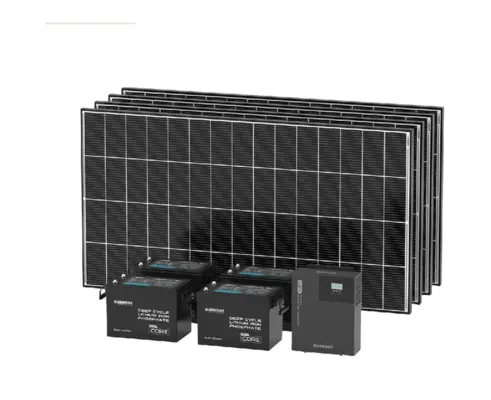
The sump pump fails at exactly the wrong moment by design: the storm that floods the pit is the storm that drops the grid, and the basement's fate rides on whatever backup exists in that hour. This build is the solar answer — a charged battery, a DC backup pump, and a float switch that needs no one home — engineered around the honest math of what battery pumping can and can't do. It's the least whimsical project in this series and the one most likely to pay for itself in a single night. Here's the system.
The honest architecture: backup, not replacement
Clarity first: a primary AC sump pump moving real storm water is a hungry, surging load, and pretending a modest battery system replaces it is how basements flood confidently. The proven architecture — the one the commercial battery-backup sump industry standardized — is a dedicated DC backup pump sitting beside (or above) the primary in the same pit, with its own float switch set slightly higher: the primary does the daily work on grid power; the backup wakes only when the primary can't — outage, failure, or overwhelmed capacity — and its job is holding the line for hours, not matching the primary forever. Solar's role is keeping that backup battery charged and honest through the months of waiting: trickle-maintained, monitored, and full on the night it matters, which is precisely the readiness problem the maintainer-panel pattern solves better than the forgotten wall charger ever did.
Component list
12V DC backup sump pump
$$The mission hardware: purpose-built 12V DC sump pumps — the battery-backup class the basement industry ships — with real gallons-per-hour at basement head heights and float switches rated for the duty. Buy on the published flow-at-head curve against your pit's lift, with storm margin; the curve is the purchase, exactly as the well build taught.
Deep-cycle LiFePO4 (100Ah class)
$$The held charge: a 100Ah LiFePO4 carries a duty-cycled backup pump through the hours a storm outage actually runs — with the battery guide's cycle-life math meaning the bank is still ready a decade of storms later, where the traditional AGM tier ages out silently. Mounted high, ventilated, fused: basement floors are exactly where batteries don't live.
Maintainer panel + controller
$The readiness engine: a modest 30–50W panel in the nearest real sun (the basement window well rarely qualifies — the wall, roof edge, or yard mount does) through a small controller, holding the bank at ready per the storage habits the cycle-life guide preaches. The gate opener's architecture, guarding the basement instead.
Charge integration: dual-source readiness
$The belt-and-suspenders layer: an AC maintainer sharing duty with the panel (grid keeps it topped in dark weeks; solar keeps it topped in dark outages' aftermath), through the controller arrangement the components' manuals sanction. Readiness systems get every charging path that plays nicely.
Float switch, alarm & monitoring
$The nervous system: the backup's float set above the primary's trigger line, a high-water alarm above both (the scream that says both pumps lost), and — the modern upgrade — a WiFi water sensor and battery monitor that put pit status and bank voltage on the phone, per the shed security build's alerting craft. The system that announces itself is the one that gets rescued in time.
Plumbing: check valves & discharge
$The completers: the backup's own discharge line with its own check valve (teeing into the primary's line invites the check-valve fight the manuals warn about — separate is simpler), unions for pump service, and the discharge routing that doesn't recycle the water back to the foundation. An hour of PVC, and the half of the build that gets inspected by every storm.
The build, in order
Pit first: the backup pump mounted per its manual (beside or shelf-above the primary), its float set to wake above the primary's line, its discharge plumbed separately with its own check valve. Battery next: high on the wall, ventilated, fused at the terminal per the wiring guide, wired to the pump through the gauge its surge deserves. Then the readiness branch: panel mounted where sun actually reaches, controller configured, the AC maintainer joined per the manuals, and the monitoring layer — high-water alarm, WiFi sensor, battery telemetry — landed where the household will actually see it. Commission with the bucket test every sump guide preaches: water poured until the primary cycles, then the primary unplugged and poured again until the backup proves itself end to end — float, pump, discharge, alarm — because the storm is the wrong night for the first rehearsal.
The power-station alternative (and its honest limits)
The pit-and-pump build above is the purpose-built answer; the general-purpose one deserves naming because many households already own it. A power station with adequate surge capacity runs a primary AC sump pump through an outage — plugged in when the storm warning arrives, per the runtime calculator's duty-cycle math — and for households with rare outages and someone home to manage the swap, that's a legitimate light-duty plan. Its limits are exactly the dedicated build's strengths: it requires presence (the float-switched DC backup needs no one), it shares its capacity with every other outage load competing for it, and its readiness depends on the closet habit rather than a maintainer circuit. The mature pattern many basements land on is both: the dedicated DC system as the always-armed sentinel, and the household power station as the reinforcement that extends a long night. Either way, the bucket test remains the commissioning ceremony — whichever architecture, rehearse it dry before the sky does it wet.
The reinforcement tier
A Bluetti station with real surge capacity runs a primary AC sump through an outage when someone's home to deploy it — the mobile reinforcement behind the always-armed DC backup this build installs.
Check Bluetti's current pricing →The runtime math and the storm playbook
Backup sump math is duty-cycle math: pumps run in bursts as the pit refills, and the burst-to-rest ratio — steady rain versus biblical — is what the battery actually carries. A 100Ah bank runs a duty-cycled DC backup through the many-hours outage that accompanies most storms, per the runtime calculator's logic applied to intermittent load; the biblical tier — continuous inflow, days-long outage — is where the second battery, the generator conversation, or the home backup guide's bigger architecture enters. The playbook beyond hardware: test quarterly with the bucket, walk the discharge line each fall (frozen or clogged discharge defeats both pumps equally), keep the pit lidded and debris-free, and treat the high-water alarm's number in your phone as the system's real deliverable. Basements that follow the rhythm get the series' favorite outcome — years of nothing to report, and one very good night.
Bottom line
A DC backup beside the primary, a LiFePO4 bank held ready by panel and maintainer both, separate discharge, and an alarm that reaches your phone — tested by bucket before any storm tests it for real. It's the projects catalog's least charming build and its best insurance policy: one flooded-basement quote pays for the whole system, and the sun keeps the receipt current, quarter after tested quarter, for the one wet night the whole quiet apparatus was hired to survive.
Frequently Asked Questions
Can solar run my main sump pump during an outage?
That's not the honest architecture — primary AC pumps are hungry, surging loads that would demand a whole-home-scale system. The proven design is a dedicated DC backup pump on a solar-maintained battery: the primary works daily on grid; the backup holds the line through the outage.
How long will the battery run the backup pump?
Duty-cycle dependent: pumps burst and rest as the pit refills, and a 100Ah LiFePO4 carries typical storm duty through the many-hours outages that accompany most storms. Continuous biblical inflow plus multi-day outage is second-battery and generator territory.
Why LiFePO4 instead of the AGM these kits usually include?
Readiness aging: AGM banks fade silently over the waiting years and fail their one audition; LiFePO4's cycle and calendar life mean the bank that waited a decade still answers. The premium buys the exact property this system exists for.
Where should the solar panel go for a basement system?
Wherever real sun lives — wall mount, roof edge, or yard stake — almost never the window well. A modest maintainer panel needs honest light more than wattage; the controller and AC maintainer share the readiness duty regardless of weather.
How often should I test the system?
Quarterly by bucket: cycle the primary, unplug it, and pour until the backup proves the whole chain — float, pump, discharge, alarm. Plus the fall discharge-line walk, because a frozen or clogged outlet defeats both pumps equally.