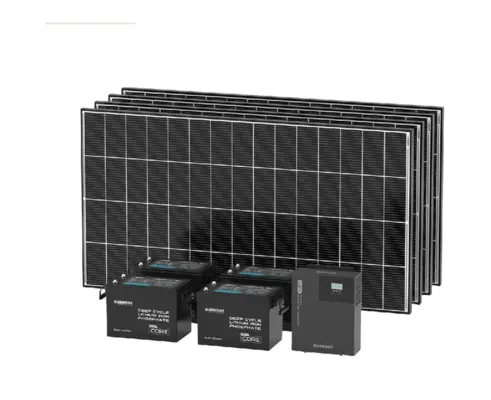
If the shed light is week one of the curriculum, this is day one: the solar fountain and pond aerator, the project where a panel meets a pump and water moves because of something you wired. It's the classic first build for a reason — an afternoon's work, pocket-money parts, instant visible success — and it's also quietly a serious project: aeration is the difference between a pond that thrives and one that turns to soup, and moving water is the birdbath upgrade that triples the yard's traffic. Here's the honest build at every tier.
Three tiers of the same idea
Tier one — the all-in-one floating fountain: panel and pump in one floating puck for birdbaths and small ponds; unbox, float, done. Charming, cheap, and honest about its limits — it runs when sun hits it and rests when clouds pass. Tier two — the panel-direct component build: a separate panel wired through a small controller to a proper pump, which buys real flow, panel placement freedom (sun on the panel, pump in the shade), and pump quality that survives seasons. This is the recommended build and still an afternoon. Tier three — the battery build: add a mini LiFePO4 and the fountain runs on your schedule instead of the sun's — evening fountain hours, and critically, overnight aeration, which is when ponds actually suffocate (oxygen demand continues; photosynthesis doesn't). Fish ponds skip straight to tier three; ornament-only water can live happily at one or two.
Component list
All-in-one floating fountain (tier one)
$The gateway product: floating panel-pump pucks with interchangeable spray heads bring moving water to birdbaths and small features for pocket money. Buy the class with a small built-in buffer battery for smoother running through light cloud — the honest upgrade within the tier.
DC water pump (tiers two/three)
$The component build's heart: a quality 12V submersible pump sized to your feature's lift height and flow ambition — spec sheets list both, and lift is the one people under-buy. The same family as the irrigation build's pumps; the parts-bin overlap is the point.
Air pump + stone (dedicated aeration)
$The pond-keeper's variant: a 12V diaphragm air pump feeding an air stone aerates more efficiently per watt than moving the water itself, runs quieter, and works under ice cover in winter climates. Serious fish ponds run this as the always-on branch with the fountain as the daytime show.
Panel (20–50W) + small controller
$Sized to the pump plus margin: 20W runs modest features panel-direct; 50W feeds the battery tier and bigger pumps. The usual small controller with the usual rules — and the placement freedom is the component build's whole advantage, so put the panel where the sun actually lives.
Mini LiFePO4 + timer (tier three)
$The scheduling upgrade: a 12–20Ah LiFePO4 and a 12V timer deliver evening fountain hours and overnight aeration — the configuration fish actually need. The battery guide's mini class, third appearance in this series, doing its most literal life-support work.
Plumbing, filter & fittings
$The completers: an intake pre-filter (pond water eats unprotected impellers), tubing sized to the pump's outlet, a flow valve to tune the spray, and — for the aerator — weighted airline and a check valve so water can't back-siphon into the air pump. Cheap parts, season-long reliability.
The build, in order
Feature first: set the pump (on a plinth above the silt — sediment is the enemy), route tubing, place the air stone off-center where circulation wants it. Panel where the sun lives, cable run to the controller station in a dry spot — a deck box or the shed wall — and the standard order even at this scale: battery to controller (tier three), configure, panel last, fuses on battery and pump branch per the wiring guide. Tune the flow valve until the spray suits the feature rather than the pump's enthusiasm, set the timer's schedule (fountain for the humans' hours, air for all of them), and accept the afternoon's applause. Total honest time at tier two: less than this article took to read twice.
Feature design: making the water worth watching
The pump moves water; placement makes it a feature. Spray heights want proportion — a jet taller than the basin is wide reads as plumbing failure, while a low bell or mushroom pattern flatters small water — and wind exposure argues for lower, heavier patterns that stay in the bowl on breezy days. Sound is designable: a fall onto stone speaks louder than one onto water, a longer drop deepens the note, and the difference between trickle and gurgle is a flow-valve quarter turn — worth tuning by ear from the seating area rather than the pond's edge. For wildlife, shallow entry matters more than show: a sloped stone at the basin rim turns the birdbath tier into a proper wildlife station, and a stick landing perch above the waterline fills the camera roll faster than any feeder. Night adds the last layer — one warm solar spot from the lighting guide's catalog, angled across the moving water, buys the evening version of the feature for pocket money. The pump was the project; the composition is the hobby.
Pond biology, briefly: why aeration is the real project
Moving water is decoration to us and infrastructure to a pond. Oxygen enters water at the surface, and still summer water stratifies — warm oxygen-poor layers over cold ones — while fish, plants at night, and the decomposition load all draw down what's dissolved. The symptoms ladder from algae blooms to gasping fish at dawn to the silent losses that get blamed on herons. Aeration breaks stratification, feeds the beneficial bacteria that process waste, and keeps a winter hole open in the ice for gas exchange — which is why the air-stone branch runs around the clock while the fountain performs business hours. Sizing is forgiving at garden-pond scale: the modest 12V air pumps in the list turn over small ponds admirably, and the tell is simply livestock behavior — fish that cruise all levels at all hours are the passing grade. The birdbath version skips the biology and keeps the other secret: moving water is audible and visible to birds in a way still water never is, and the fountain build reliably triples the yard's clientele within a week.
Seasons and scaling
Summer asks for a monthly filter rinse and an occasional impeller check; fall asks for the fountain's retirement before hard freeze (the aerator winters on, holding its ice hole, with the air pump sheltered dry); spring recommissions everything in an hour. The scaling paths run in two directions: bigger water — the same architecture runs stock-tank features, half-barrel gardens, and the koi upgrade where the aerator branch becomes non-negotiable — and sideways into the parts-bin cascade, where this build's panel and battery are the birdhouse camera's or path lighting's starter kit. And for the household with kids, this is the teaching build the pillar promised: shade the panel with a hand mid-spray and the physics lesson delivers itself, every single time, to every single visitor.
Bottom line
Float the puck for instant charm, build tier two for a real feature, add the battery and air stone the day fish enter the picture — and let the afternoon's easiest project quietly run the yard's most-watched square meter. Day one of the curriculum, and still the build veterans smile at — usually while re-tuning someone else's flow valve uninvited.
Frequently Asked Questions
Do solar fountains work on cloudy days?
Panel-direct tiers slow and pause with the light — honest physics. The buffer-battery all-in-ones smooth light cloud, and the full battery tier runs on schedule regardless, which is the upgrade's entire point.
Does a pond really need overnight aeration?
Fish ponds, yes — oxygen demand continues all night while photosynthesis stops, making pre-dawn the danger hour. The battery-plus-air-stone branch exists precisely for those hours, and winters on to keep the ice hole open.
How big a pump do I need for my fountain?
Size by lift height first (the spec people under-buy) and flow second — the pump's chart against your feature's rise above water level answers it. A flow valve then tunes the result down to taste; tuning up isn't a thing.
Will moving water attract mosquitoes or prevent them?
Prevent — mosquitoes need still water to breed, and both the fountain's circulation and the aerator's surface agitation deny it. It's one more way the decorative build moonlights as infrastructure.
What maintenance do these systems need?
A filter rinse monthly in season, an impeller check when flow drops, fall winterization for the fountain branch, and a panel wipe with the rest of the property's solar. The aerator runs the year with almost no attention.