Our Top Picks
- BigBlue 28W — Best Overall
- Nekteck 28W — Best Value
- Anker SOLIX PS30 — Best USB-C Fast Charge
- Goal Zero Nomad 10 — Best Ultralight
- BioLite SolarPanel 10+ — Best with Built-in Battery
What to Know Before You Buy
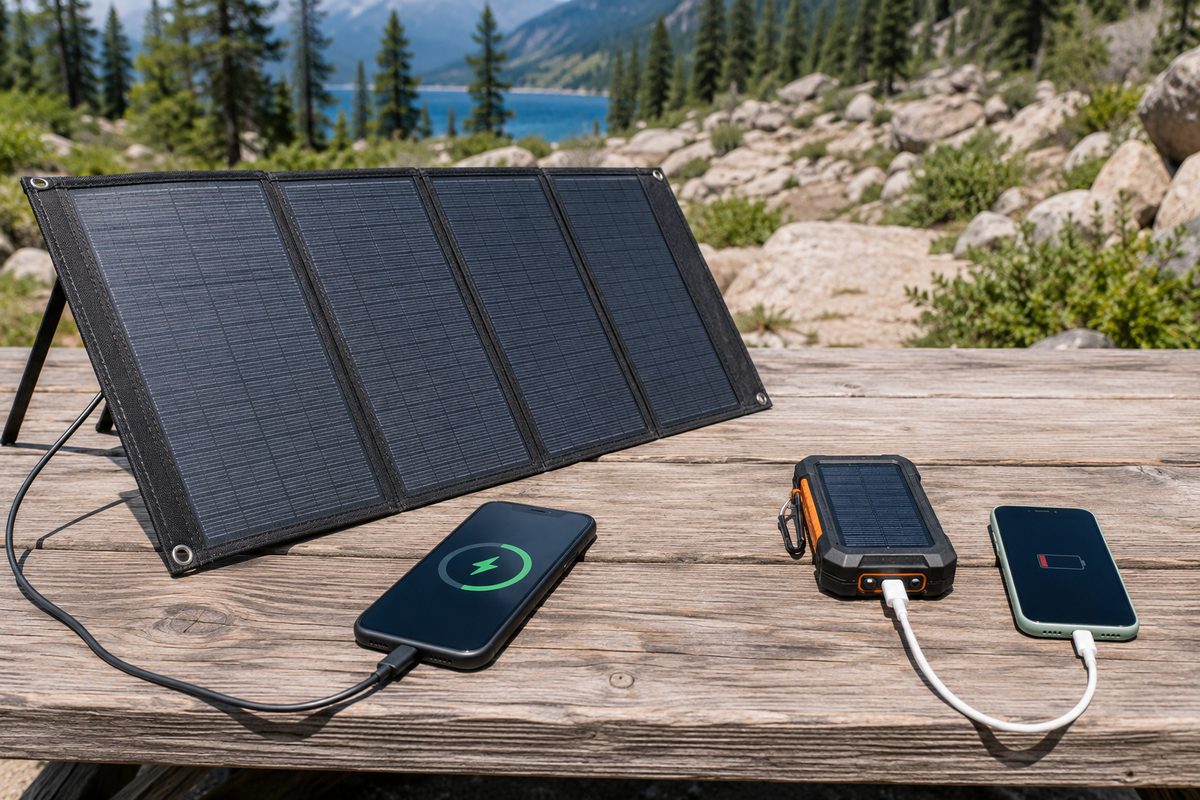
Solar phone chargers fall into two categories: foldable panels (which charge your device directly in sunlight) and solar power banks (which have an integrated battery that stores energy). Foldable panels deliver much more power and charge faster, but they only work while the sun is shining. Power banks are more convenient but charge slowly from their small built-in panels.
For most hikers and campers, we recommend a foldable panel paired with a separate USB power bank. The panel charges the power bank during the day, and the power bank charges your phone overnight. This combo gives you the best of both worlds — fast solar charging and reliable stored power.
Key specs to compare: Wattage (higher = faster charging), USB port types (USB-C is faster than USB-A), weight, water resistance rating (IPX4 minimum for outdoor use), and cell efficiency (SunPower/Maxeon cells are the gold standard).
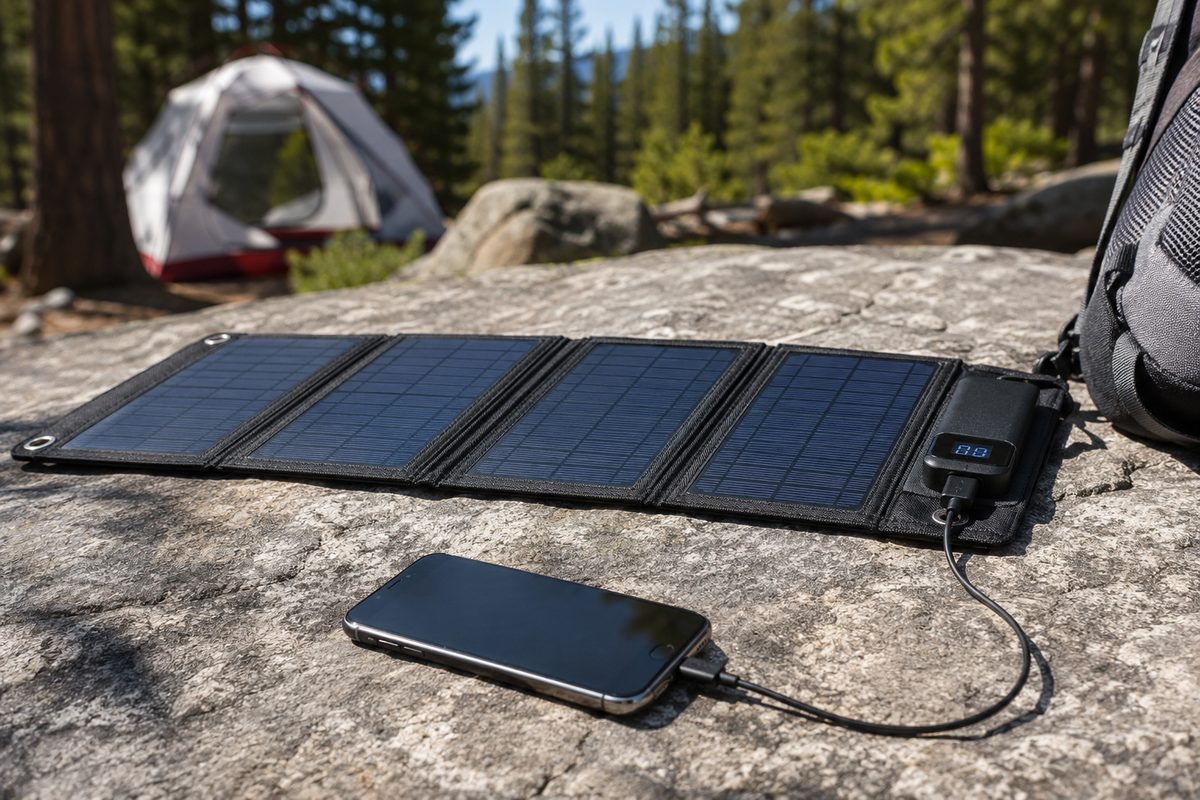
BigBlue 28W Solar Charger
The BigBlue 28W is our top pick for a reason: it consistently outperforms similarly-priced panels in real-world testing. Its SunPower cells deliver 25.4% conversion efficiency — among the highest in this class — and the built-in digital ammeter lets you see exactly how much power you're generating in real time. Four foldable panels with USB-A and USB-C ports give you flexibility for any device, and the included carabiners make it easy to clip to a backpack or tent.
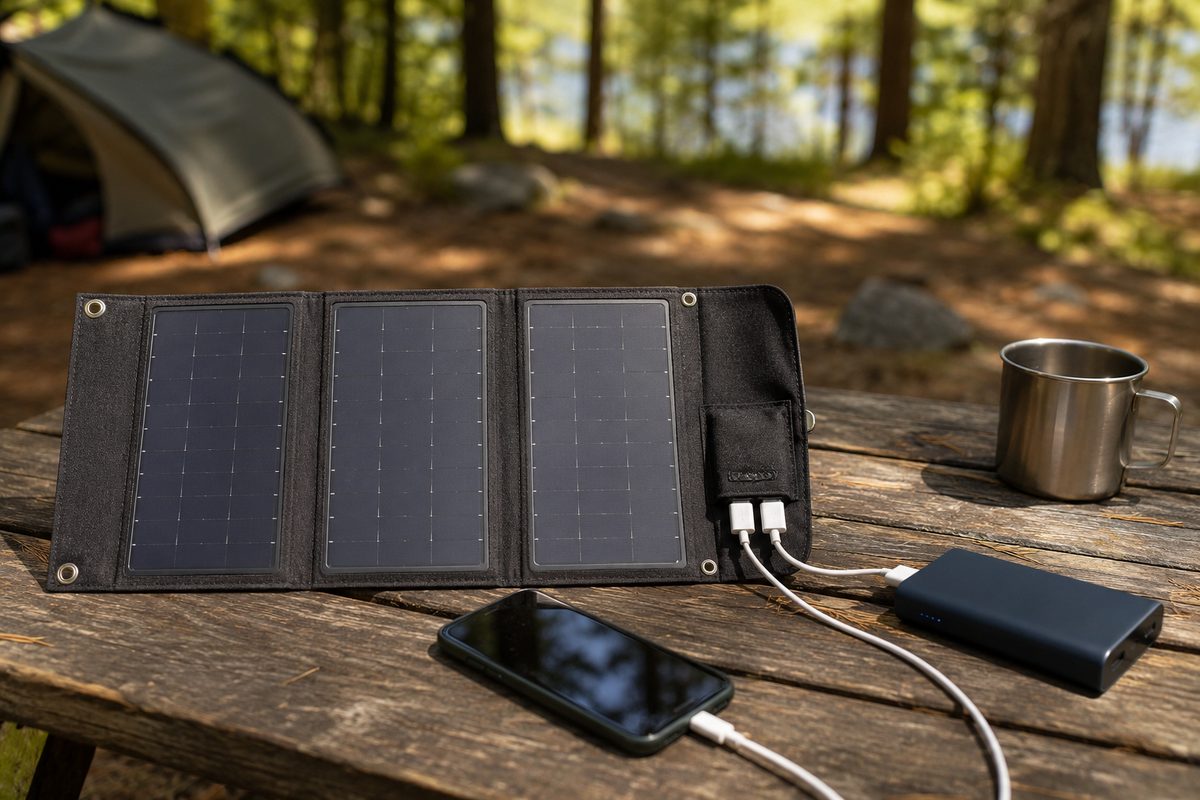
Nekteck 28W Solar Charger
The Nekteck 28W uses the same SunPower Maxeon cells as the BigBlue and delivers nearly identical performance at a lower price point. It's a three-panel foldable design with dual USB-A ports (up to 4.0A total output) and Smart IC chip technology that detects your device's optimal charging speed. IPX4 waterproofing and a durable canvas backing make it trail-ready. The only real trade-off versus the BigBlue is no USB-C port and no ammeter — if those don't matter to you, this is the best deal in solar phone chargers.
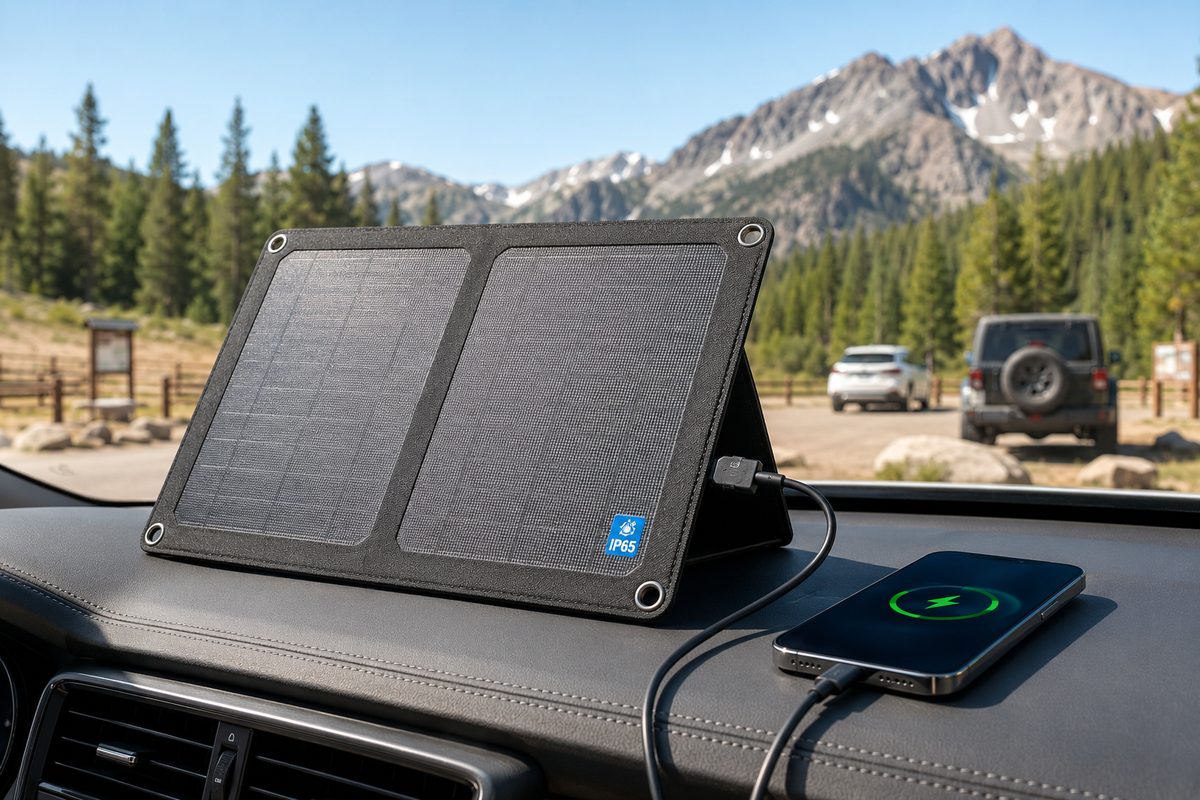
Anker SOLIX PS30 Solar Panel
Anker brings their charging expertise to solar with the SOLIX PS30 — a 30W foldable panel with both USB-C and USB-A ports. The USB-C port supports faster charging speeds than USB-A, making this the best option if you primarily charge newer phones, tablets, or even a Nintendo Switch. IP65 water and dust resistance is a step above the IPX4 rating on most competitors, meaning it can handle more than just light splashes. Compact folding design and Anker's reputation for quality electronics round out the package.
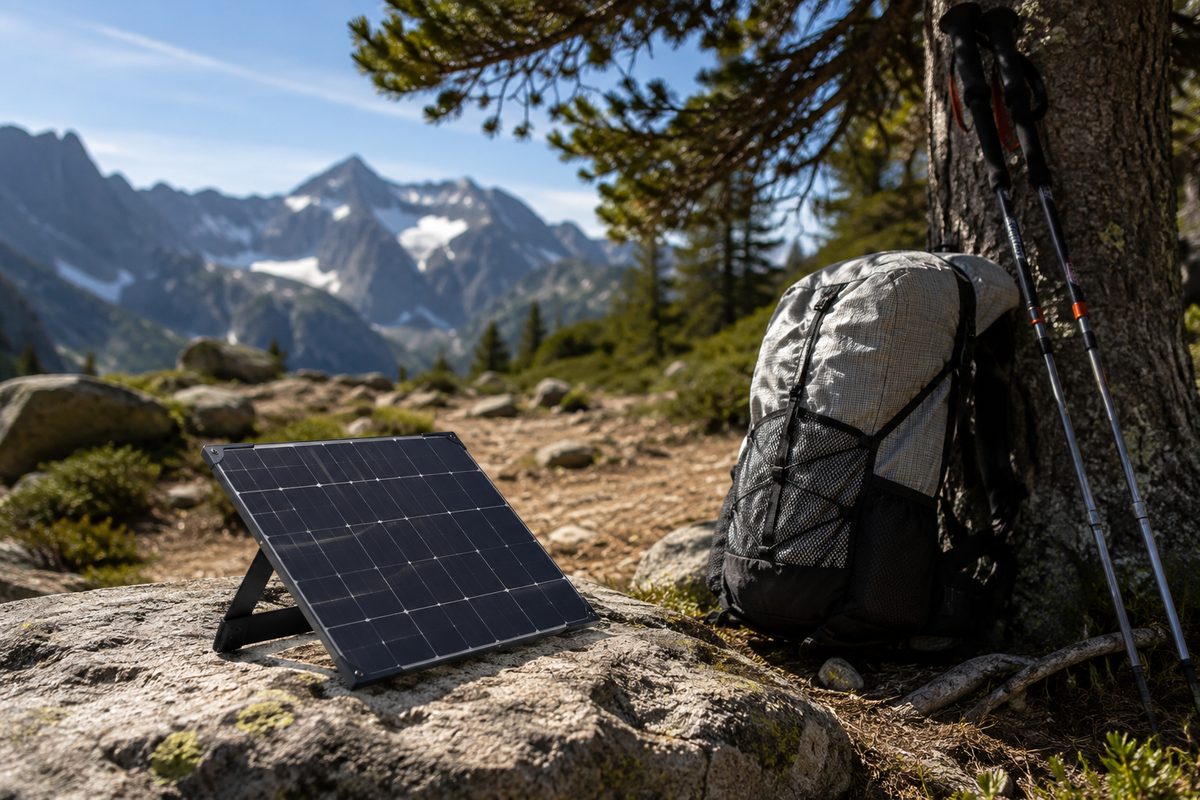
Goal Zero Nomad 10
When every ounce counts, the Nomad 10 is the panel to bring. This 10W monocrystalline foldable panel is designed for thru-hikers, backpackers, and ultralight travelers who need to top off a phone or GPS without hauling a heavy charger. The built-in adjustable kickstand lets you angle it toward the sun for maximum efficiency, and the weather-resistant build can handle trail conditions. It won't charge as fast as the 28–30W panels above — think of it as a trickle charger — but it weighs barely a pound and pairs perfectly with Goal Zero's Flip or Venture power banks.
BioLite SolarPanel 10+
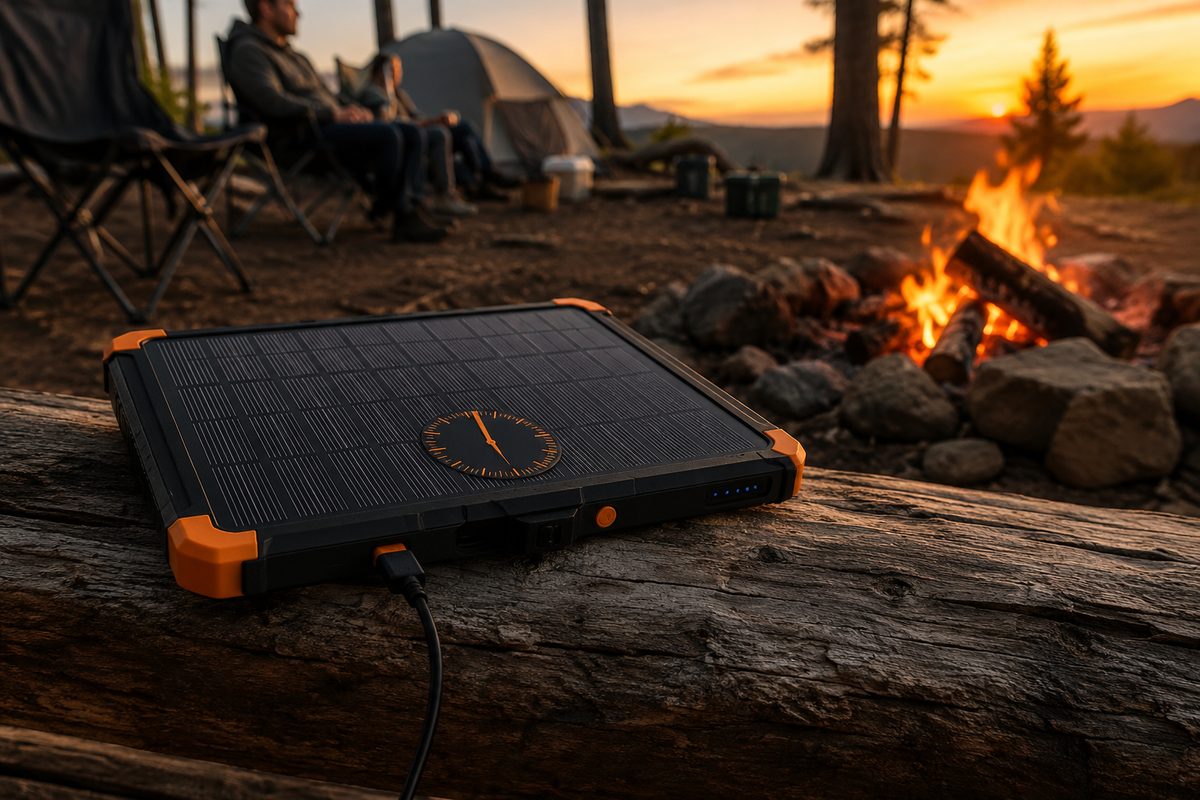
The BioLite SolarPanel 10+ is the only panel on this list with a built-in 3,200mAh battery. That means it stores energy while you hike — so your phone can charge even after the sun sets. The Optimal Sun System includes a small sundial-style indicator that helps you angle the panel for maximum solar collection (a surprisingly useful feature in the field). At 10W it's not the fastest charger, but the integrated battery plus solar panel combo eliminates the need to buy a separate power bank, making it an excellent all-in-one solution for weekend backpacking trips.
Quick Comparison
| Model | Watts | Weight | Ports | Battery | Price |
|---|---|---|---|---|---|
| BigBlue 28W | 28W | 1.5 lbs | USB-A + C | No | $$ |
| Nekteck 28W | 28W | 1.4 lbs | 2× USB-A | No | $$ |
| Anker SOLIX PS30 | 30W | 2.0 lbs | USB-C + A | No | $$ |
| Goal Zero Nomad 10 | 10W | 1.0 lb | 1× USB-A | No | $$ |
| BioLite 10+ | 10W | 1.2 lbs | 1× USB-A | 3,200mAh | $$$ |
How to Choose the Right Solar Phone Charger
Consider Your Use Case
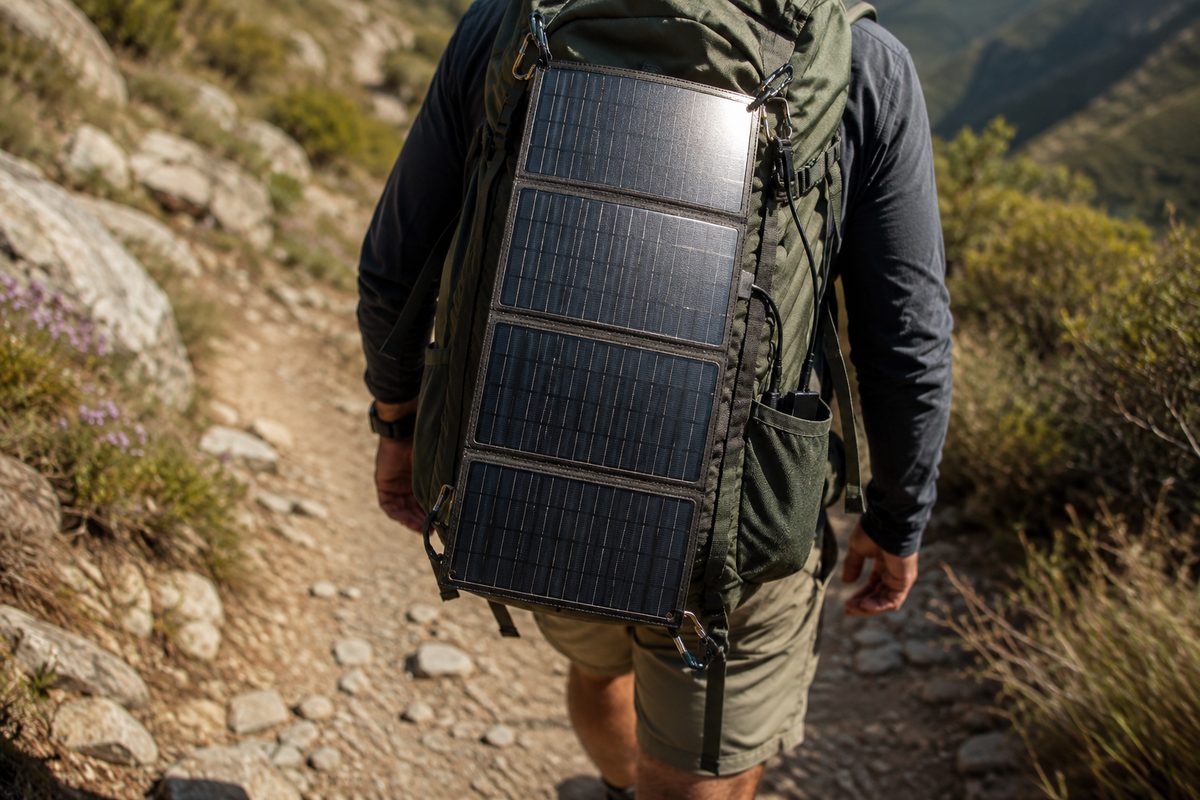
Day hikes: The Goal Zero Nomad 10 or BioLite SolarPanel 10+ — ultralight, clips to your pack, charges a phone in a few hours. Pair with a small power bank for reliability.
Multi-day backpacking: The BigBlue 28W or Nekteck 28W — more wattage means faster charging and the ability to top off multiple devices and power banks during lunch breaks or at camp.
Car camping / tailgating: The Anker SOLIX PS30 — USB-C fast charging, IP65 durability, and 30W output. Weight matters less when you're not carrying it on your back.
Emergency preparedness: The BigBlue 28W — highest real-world output, dual ports for charging multiple devices, and the ammeter helps you troubleshoot in low-light conditions.
Solar Panel vs Solar Power Bank
Standalone solar panels (like all five picks above) deliver 10–30W and can charge a phone in 1–3 hours in direct sun. "Solar power banks" with tiny built-in panels typically produce only 1–3W — meaning it would take 20+ hours of direct sunlight to charge the built-in battery from solar alone. Those are really just regular power banks with a decorative solar panel. We recommend buying a proper foldable panel and a separate power bank for the most reliable off-grid charging setup.
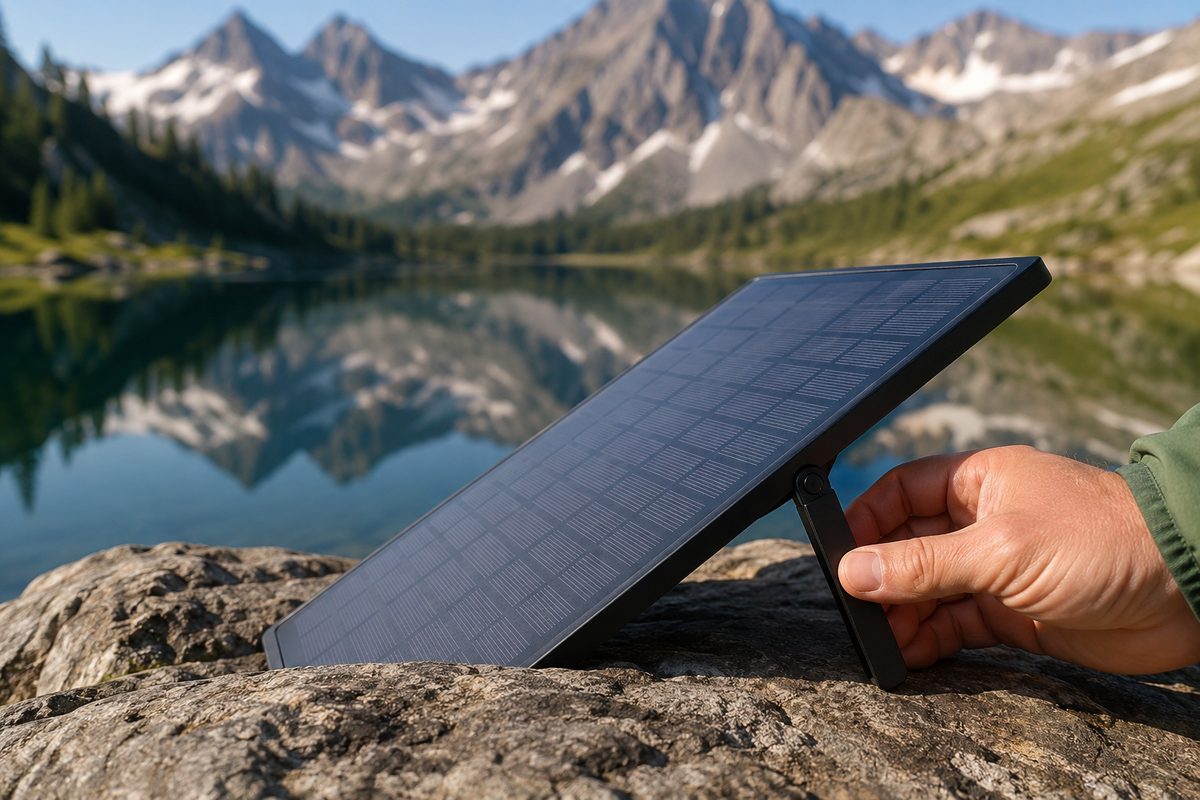
Pro Tip: Solar panels need direct sunlight — not just daylight. Charging through a window, in shade, or on overcast days cuts output by 50–80%. Angle your panel directly at the sun and keep it clear of shadows for best results.
Our Pick: BigBlue 28W
For most people, the BigBlue 28W solar charger hits the sweet spot of power, portability, and price. At 28W with both USB-A and USB-C ports, it charges devices faster than smaller panels while staying under 1.5 lbs. The built-in ammeter is a genuinely useful feature that no other panel in this price range offers — it takes the guesswork out of solar charging. If you're on a tight budget, the Nekteck 28W delivers 90% of the performance for 25% less money.