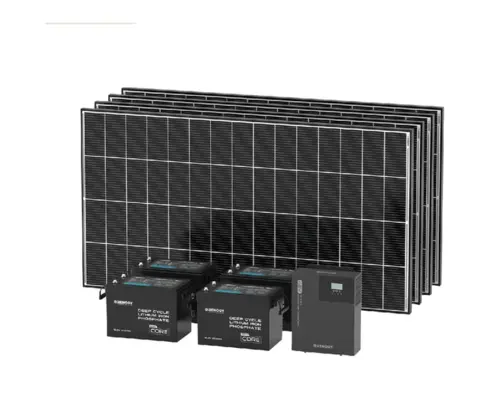
Whether a battery can stay in an unheated shed or garage over winter depends on its chemistry, its charge level and the maker's storage limits. Batteries usually tolerate cold storage better than cold charging, but a discharged lead-acid battery can freeze, and no lithium battery should be charged while frozen. Check the manual's storage temperature range, store the battery at the charge level the maker advises, and bring it inside before you charge it.
Storing is not the same as using
Cold slows a battery down, but storage mostly asks it to sit. Battery University's storage page lists a recommended storage temperature of about 59 degrees F (15 degrees C) for most batteries and an extreme allowable range for most chemistries of minus 40 to 50 degrees C. Its table shows the least capacity loss over a year at 0 degrees C, with sharply higher losses at 40 and 60 degrees C. A cold shed can therefore be gentler on a stored battery than a hot attic, as long as the battery stays above the maker's minimum. Where the maker's range is narrower, follow the maker.
What to do by battery type
| Battery | Cold storage | Charge level | Before you use or charge it |
|---|---|---|---|
| Lead-acid (flooded, AGM, gel) | Risky if discharged. A discharged battery freezes more easily, and freezing may change its structure. | Charge fully before storing and check it periodically. Low charge also causes sulfation. | Check for case damage, then charge per the manual |
| LiFePO4 and other lithium-ion | Storage in the cold is usually allowed within the maker's range. Charging below freezing is not. | Battery University advises about 40 percent for lithium-ion generally; follow your maker figure | Warm the battery to above freezing before charging |
| Power stations | Follow the manual's storage temperature range, which can be narrower than the battery cells alone. | Use the charge level the manual gives for storage | Bring indoors, let it warm, then charge |
| Power banks and tool batteries | Easy to move, so bring them inside | Partial charge per the label or manual | Let them warm first |
Lead-acid: keep it charged
Battery University says a discharged lead-acid battery with a specific gravity of 1.15 freezes at about minus 15 degrees C (5 degrees F), while a fully charged one is far safer. It also says to charge before storing and to check voltage or specific gravity frequently, because low charge causes sulfation, and it advises avoiding freezing for any battery. If you are comparing chemistries for a build, the lead-acid versus LiFePO4 guide goes through the differences, and the manual for your battery covers venting and placement.
Lithium: cold is fine to store, not to charge
For lithium, the rule is simple: storage and charging have different limits. Battery University says charging lithium-ion cells at or below freezing is not permitted, and that the damage from lithium plating is permanent. So a lithium battery can wait out the winter in a cold shed if the manual says so, but it should be brought to above freezing before charging. Two further notes from the same storage page: Li-ion cells kept fully charged lose more recoverable capacity over a year than cells stored at about 40 percent, and a deeply drained cell can enter a protection state. Follow your battery maker's storage charge, because LiFePO4 guidance varies. Our power station storage guide covers portable units, and the cold weather guide explains the BMS side.
A simple decision ladder
- Read the manual's storage range. If the garage or shed can drop below it, bring the battery inside.
- Is it lead-acid? Charge it fully and check it through the winter, or move it somewhere that does not freeze.
- Is it lithium? Set the storage charge the maker recommends and note that it cannot be charged until it warms up.
- Does it power something important? Do not leave a backup battery in a freezing space. Test the system, as the dry-run checklist describes.
- Set a reminder. Check voltage on a schedule and top up when the manual says to.
Small batteries are the easy wins. Power banks, tool packs and camera batteries cost little to bring inside, and they hold up better when they avoid long cold soaks and heat. Even a closet shelf in the house is a better home than a freezing shelf in the garage.
Recheck schedule
| When | What to do |
|---|---|
| Before the first freeze | Set the storage charge per the manual, clean terminals and record the voltage |
| Midwinter | Check voltage, inspect the case and top up if the manual says to |
| Before spring use | Bring it inside, let it warm, inspect it and then charge |
A backup battery you might need in a storm is a special case. If winter outages are likely where you live, keep it in the warmest practical spot, not in a freezing shed, and keep it ready to use. A battery that can run a router or a lamp is not much help if it is frozen solid in a garage.
Safer storage habits
Keep batteries off the floor and away from water, fuel, and anything flammable, and store them where the terminals cannot touch metal. Do not stack heavy items on them. Inspect cases for swelling, cracks or leaks before and after storage, and do not charge a damaged battery. The right place also avoids a heat source, since storage losses climb with heat. Bring cold batteries into a normal indoor space and let them warm before you charge or use them. For installed systems, the pre-freeze checklist covers the rest of the system, and the self-heating battery guide covers the case where a lithium battery has to be charged in the cold.
Bottom line: Lead-acid stays out of the cold only if it is fully charged; lithium can often be stored cold but not charged cold. Check the maker's storage range and charge level, bring the battery inside to warm before charging, and move small or important batteries indoors altogether.
Frequently Asked Questions
Can I leave a battery in a cold garage all winter?
Often yes, if the battery is within the maker storage range and set at the right charge level. A discharged lead-acid battery can freeze, so charge it fully first or bring it inside.
Should I store a lithium battery fully charged?
Battery University advises storing lithium-ion batteries at about 40 percent charge because cells kept full lose more capacity over a year. LiFePO4 guidance varies, so follow your battery maker.
Can I charge a battery that spent the night in the cold?
Not a lithium battery below freezing. Battery University says charging lithium-ion at or below freezing is not permitted. Bring it indoors and let it warm first, then follow the manual.
Is a cold shed better than a hot attic for storage?
For capacity loss, usually yes. Battery University shows the least annual loss at 0 degrees C and much more at 40 and 60 degrees C. Stay within the maker storage range.
How often should I check stored batteries?
Check voltage on a regular schedule and top up when the manual says to. Battery University says all batteries self-discharge, and lead-acid needs frequent checks to avoid sulfation.
Sources and verification
The storage and cold-charging points below come from Battery University, which describes batteries in general terms. Your battery maker manual sets the storage temperature range and storage charge level for your model.
- Battery University, BU-702 How to Store Batteries: recommended storage temperature, allowable range, lithium-ion storage charge level, lead-acid charging before storage, and capacity loss by temperature.
- Battery University, BU-410: no lithium-ion charging at or below freezing, lithium plating, and the freezing point of discharged lead-acid.
- Battery University, BU-502: capacity loss in the cold and freezing risk with low charge.
Battery University does not give LiFePO4-specific storage figures on these pages, so we point you to the maker for those. Where its pages and your manual differ, follow the manual.