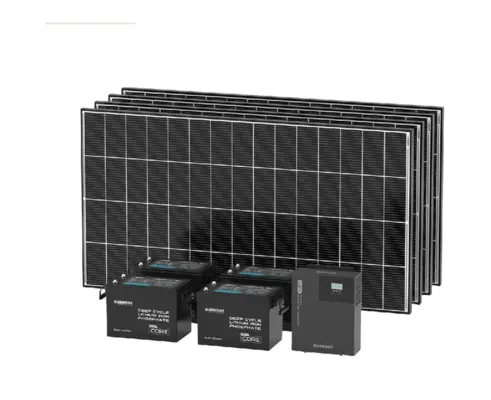
For decades, American solar was a homeowners-only club — no roof, no panels. That wall is coming down fast. "Balcony solar" (plug-in panels that connect to a standard wall outlet) went from legal gray zone to legislative movement in under two years, and as of mid-2026 a growing list of states has formally opened the door. Here's where the law actually stands, what the new UL safety standard means, and what a renter can realistically install today.
What balcony solar actually is
A balcony solar system is one to a few compact panels — railing-mounted, patio-standing, or fence-hung — feeding a microinverter that plugs into an ordinary 120V outlet. The panels offset whatever the home is drawing at that moment, spinning the meter slower rather than exporting to sell. Total system sizes run a few hundred watts up to the 1,200W ceiling most US legislation uses — modest against a rooftop array, but meaningful against a household's daytime baseline, and installed in an afternoon with no contractor, no roof, and no landlord's permission for the sunniest versions of the laws. Germany proved the model at scale: over a million registered systems there, an entire consumer category that the US is now importing — with products like EcoFlow's STREAM series (reviewed in our balcony solar roundup) built specifically for American outlets and rules.
The legal landscape in mid-2026
The map has three zones. States with laws: Utah moved first — HB 340, passed unanimously in March 2025, created a legal category for plug-in systems up to 1,200 watts, exempting them from the interconnection agreements and permitting built for rooftop arrays. As of this writing, Utah has been joined by Maine, Virginia, Colorado, Maryland, Connecticut, Vermont, and New Hampshire with signed legislation of their own (Virginia's takes effect January 2027, and notably restricts larger landlords from prohibiting qualifying devices). States in motion: more than thirty states plus D.C. have introduced bills, with the usual legislative attrition — a few have stalled or failed outright, while others advance. The gray middle: everywhere else, plug-in solar is typically neither expressly legal nor expressly banned; utility interconnection rules written for rooftop systems technically apply, enforcement is rare for small zero-export systems, and the practical answer is a call to your utility. Bills move monthly — verify your state's current status before buying, because this is the fastest-moving policy area in home energy.
UL 3700: the standard that unlocks everything
The safety question — "you're plugging a generator into the wall?" — got its institutional answer in January 2026 when UL Solutions launched UL 3700, the certification standard purpose-built for plug-in solar. Certified systems must prove the safeguards that make the concept safe: automatic power cutoff that de-energizes the plug's prongs within moments of unplugging (no live metal in a curious hand), anti-islanding behavior, and the electrical protections utilities and legislators asked for. Several state laws are written around certification by UL or an equivalent nationally recognized lab, which makes UL 3700 the key that turns statutory frameworks into shelf products. Certification rollout is still in progress across manufacturers as of this writing — when shopping, treat UL 3700 (or explicit equivalent-lab certification) as the mark to look for, and treat uncertified direct-import kits with the caution their gray status deserves.
What a renter can do today, state by situation
In a law state: buy a certified system sized under your state's watt ceiling, check whether your law requires utility notification (some ask for a simple form), mind the lease — Utah's law leaves landlord authority intact, while Virginia's restricts larger landlords from banning qualifying devices — and install per the manufacturer's mounting instructions. In a gray state: the conservative path is a call to your utility about small zero-export systems; the common-in-practice path is that many households simply run small certified-hardware systems without incident; and the zero-ambiguity path is the one no rule anywhere touches — panels charging a battery rather than feeding an outlet. A folding panel and power station on the balcony delivers solar economics with no interconnection question at all, which is exactly the comparison our balcony-vs-power-station guide works through, and the renter-friendly build order our backup guide lays out.
The practical install questions
Mounting: railing brackets carry real wind loads — use the rated hardware, torque it, and mind what's below; a ground-standing frame on the patio sidesteps the whole question. The outlet: systems plug into a standard outlet on its own reasonable circuit; avoid daisy-chaining through power strips, which every manufacturer prohibits. Orientation: south-facing railings win, but east or west balconies still harvest a worthwhile morning or evening share — a real-world test beats abandoning the idea. Insurance and HOA: renters' policies rarely care, but HOA balcony-appearance rules exist independent of solar law, so the covenant check is worth five minutes. Savings expectations: a system near the legal ceiling in decent sun offsets a meaningful slice of a small household's usage — real money over years, not a bill eraser — with payback math that improves as hardware prices fall and rates rise.
Where this is heading
The trajectory is unusually legible: a model law exists, thirty-plus statehouses are processing it, a national safety standard is live with certifications rolling out, and manufacturers are building for the American market in earnest. The likely near future is boring in the best way — certified kits on big-box shelves, a watt ceiling on the box, and "is this legal?" replaced by "which railing?" Until your state gets there, the battery route delivers most of the benefit with none of the ambiguity, and this page's advice is evergreen: check your state's current status, buy certified, mount like the wind is real, and let the sun start paying rent on the railing.
Frequently Asked Questions
Is plug-in balcony solar legal in the US?
It depends on the state: Utah, Maine, Virginia, Colorado, Maryland, Connecticut, Vermont, and New Hampshire have signed enabling laws as of mid-2026, thirty-plus states have bills in motion, and the rest sit in a gray zone where utility rules technically apply. Status changes monthly — verify your state before buying.
What is UL 3700 certification?
The safety standard UL Solutions launched in January 2026 specifically for plug-in solar — covering automatic plug de-energization, anti-islanding, and the protections state laws reference. It's the mark to look for when shopping, with manufacturer certifications rolling out.
How much power can a balcony solar system produce?
Most US legislation caps qualifying systems at 1,200 watts; typical installs run a few hundred watts up to that ceiling. In decent sun that offsets a meaningful share of a small household's daytime usage — worthwhile savings over years, not a bill eraser.
Can my landlord stop me from installing balcony solar?
Often yes — most laws, including Utah's, leave lease terms and landlord authority intact, though Virginia's forthcoming law restricts larger landlords from prohibiting qualifying devices. Check the lease and any HOA balcony rules before mounting anything.
What if my state hasn't legalized plug-in solar yet?
The zero-ambiguity alternative is charging a battery instead of feeding an outlet: a folding panel plus power station on the balcony delivers solar economics with no interconnection question anywhere. Our balcony-vs-power-station comparison weighs the two paths.