Every garden's season is decided in the six weeks before it officially starts — on the windowsill where leggy seedlings stretch for light, or under the basement shop light whose bill nobody audits. This build moves the whole operation into a solar-powered propagation station: a cold frame or mini-greenhouse with battery-backed heat mats, supplemental LED grow light, thermostat automation, and vent control — the solar greenhouse's apprentice, sized for a weekend build and a bench footprint. Here's the station that starts the garden the irrigation and dehydrator builds finish.
The architecture: passive shell, active assists
The design philosophy mirrors the whole passive family: let the sun and the glazing do the bulk work, and spend battery power only on the margins that matter. The shell — a cold frame, a kit mini-greenhouse, or the glazed-box carpentry the heater and dehydrator builds already taught — provides daytime warmth and light for free. The solar-electric branches then buy the three things the shell can't: root-zone heat (germination is soil-temperature physics, and 12V heat mats under the trays are the highest-leverage watts in gardening — warming quarts of soil, not cubic yards of air, which is why this resistance load passes the series' heat-skepticism where space heating fails), supplemental light (a modest 12V LED grow bar extending the short late-winter days that make windowsill seedlings leggy), and automation (thermostat-switched mats, a timer on the light, and the vent that saves the crop on the first surprise-sunny March day). One standard mini backbone runs all three.
Component list
The shell: cold frame or mini-greenhouse
$–$$The passive engine: a kit mini-greenhouse or the DIY cold frame from the family's glazed-box pattern — sited south, sealed honestly, and sized to the bench's tray count. Twin-wall polycarbonate over glass here for insulation and kid-proof toughness; the dehydrator's glazing aisle, third visit.
12V seedling heat mats + thermostat
$The germination engine: 12V heat mats under the trays, switched by a soil-probe thermostat — root-zone warmth at tray scale is the build's justified resistance load, and the thermostat is what keeps it a sip instead of a drain. Waterproof-rated mats only; this is a wet workspace by definition.
12V LED grow light bar
$The stretch-stopper: a modest full-spectrum 12V LED bar on an adjustable hanger, timer-run to extend late winter's short days — the supplement that turns leggy windowsill starts into stocky transplants. LED efficiency keeps the branch battery-friendly; height adjustment as seedlings rise is the craft.
Automatic vent opener (the zero-watt hero)
$The crop-saver: the wax-cylinder automatic vent opener — pure thermomechanics, no wiring — that cracks the lid as inside temperature climbs and closes it as evening falls. The first sunny March day cooks more seedlings than any frost kills; this part is the insurance, and it draws nothing.
Solar backbone: panel, controller, LiFePO4
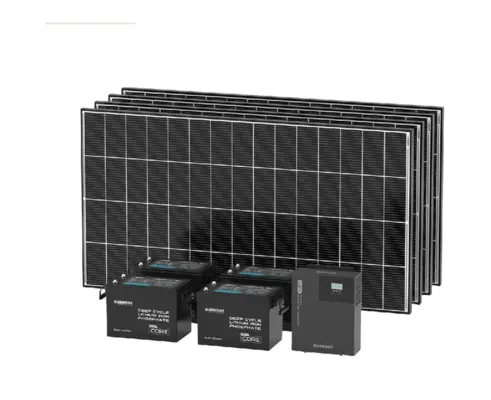
$$The standard chain, station-sized: 50W panel, small controller with load terminals, 20–50Ah LiFePO4 — the mats' thermostat duty cycle and the light's timer hours summed per the runtime calculator's method, with late-winter's modest sun honestly counted. The series' mini system, growing tomatoes before the tomatoes exist.
Propagation hardware & monitoring
$The bench fleet: trays and humidity domes, a min-max thermometer (the station's report card through the cold weeks), a soil thermometer for the mat thermostat's honesty, misting bottle and capillary matting for the watering rhythm, and — the graduation piece — the irrigation build's mini pump on a timer for the vacation-week the seedlings shouldn't notice.
The build, in order
Shell first: sited south with the winter-sun honesty of the site survey (late-winter shadows are long; the survey's cold-season pass matters doubly here), sealed and vented per the glazed-box craft. Backbone next, in the standard liturgy: enclosure on the shady side, battery-first, panel last, branches fused per the wiring guide — with the wet-workspace discipline of GFCI-mindset even at 12V: drip loops, sealed connectors, and nothing electrical below tray-spill height. Branches land in priority order: mats on the soil-probe thermostat, light on its timer and hanger, the vent opener needing only its bolt. Commission with the min-max thermometer's first cold week — the overnight floor and the sunny-day peak are the two numbers that tune the thermostat, the vent, and your confidence — then sow the calendar's first flat and let the station earn the season.
The bench craft: running the six weeks well
The station's hardware buys the season; the bench habits spend it well. Sowing runs on the region's frost calendar counted backward — each crop's weeks-to-transplant subtracted from the last-frost date, the arithmetic that fills the calendar the weather station's log keeps honest. The mat thermostat's probe lives in a tray's soil, not the air, because germination reads soil temperature and the air lies by ten degrees on sunny mornings. Domes come off at germination (their humidity job done, their damping-off risk beginning), the light bar drops to a hand's width above the canopy and rises with it, and the brush-of-the-hand across seedlings each visit — the airflow stand-in — builds the stem strength the transplant week will demand. Watering runs bottom-up through the capillary mat or tray wells, keeping the stems' collars dry and the damping-off fungus unemployed. And the graduation fortnight is its own discipline: the cold frame's lid staged open in lengthening intervals hardens the crop off in place — the station's built-in advantage over the basement rack, whose seedlings meet real weather as strangers. Kept as a one-page bench card per the pillar's documentation habit, the whole craft transfers to next season intact.
The station's failure stories are as instructive as its wins, and they cluster in three: the thermostat probe left in the air (cooked or chilled soil while the display read perfect), the vent opener installed after the first casualty instead of before, and the sowing calendar run on optimism instead of the frost date's arithmetic. All three are five-dollar or five-minute fixes, and all three are why the min-max thermometer's first cold week precedes the first precious seed.
The season the station buys
The payoff is calendrical: root-zone heat plus supplemental light moves the effective start date weeks earlier than the windowsill manages, and the automation holds it steady through the swings that kill amateur starts — the cooked-crop March afternoon, the surprise April frost the mats shrug off. The bench workflow follows the classic ladder: heat-loving crops (tomatoes, peppers) on the mats first, brassicas and greens in the unheated corners, succession flats replacing graduates, and the hardening-off phase staged by the cold frame's own lid before transplant day. Downstream, the station feeds the series' whole garden chain — transplants into the irrigation build's zoned beds, surplus into the dehydrator, the cycle the homestead cluster keeps drawing — and the station itself moonlights year-round: summer propagation of cuttings, fall's greens extension, and winter's cold-frame salad tier in the mild climates. The weather station's frost log, where it exists, becomes the transplant calendar's evidence.
Bottom line
A glazed shell doing the free work, heat mats warming soil instead of air, an LED bar stopping the stretch, and a wax cylinder standing guard against sunny March — all on the standard mini backbone. The garden's season starts six weeks early on a bench, the windowsill retires, and the series' food chain gains its first link: the humble bench build that grows the beds, the harvests, and the builds that feed you.
Frequently Asked Questions
Why do heat mats pass the series' no-resistance-heat rule?
Scale: mats warm quarts of root-zone soil, not rooms of air, and the thermostat duty-cycles them to sips — the highest-leverage watts in gardening. Space heating fails the math; tray-scale soil heating clears it comfortably.
How much earlier can I start seeds with this station?
Weeks ahead of the windowsill — root-zone heat drives germination and the LED bar prevents the leggy stretch of short days, while the automation rides out the swings that kill early starts. The min-max thermometer's first week calibrates your site's exact answer.
Do I really need the grow light if the shell is glazed?
For late-winter starts, yes — day length, not just brightness, is what makes windowsill seedlings stretch, and the timer-run bar extends the photoperiod the calendar shorts. By April the sun takes the job back.
What kills seedlings in cold frames most often?
Heat, not cold: the first surprise-sunny day cooks a sealed frame while the gardener's at work. The zero-watt automatic vent opener is the build's insurance policy, and the min-max thermometer is how you catch close calls.
Can the station run unattended for a week?
With the thermostat, timer, vent opener, and the capillary-mat or mini-pump watering upgrade — yes, that's the design's point. The battery sizing already assumes the automation's duty cycles; vacation week is just the commissioning test repeated.